
New Book by Research Fellow Sun Donghu Explores Historical Significance of Liao Dynasty’s Southern Capital
 打印
打印 收藏
收藏
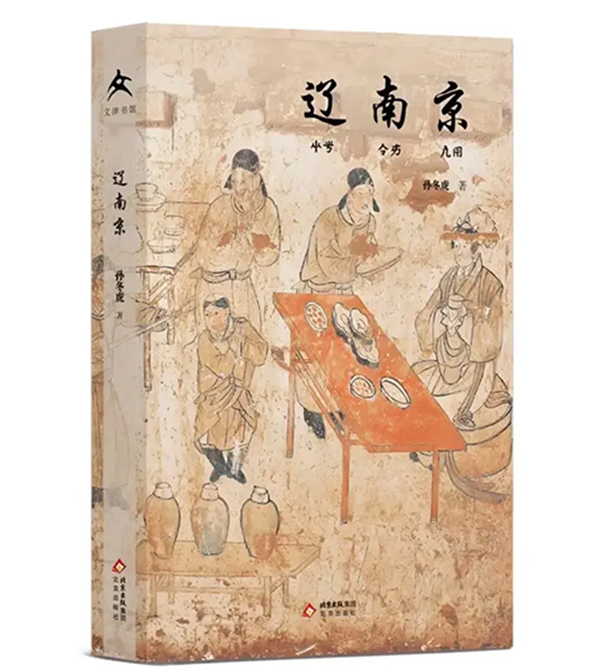
A new academic work titled Liao Nanjing, authored by Sun Donghu, Research Fellow at the Institute of History of the Beijing Academy of Social Sciences, has been published by Beijing Publishing Group’s Beijing Press in January 2026.
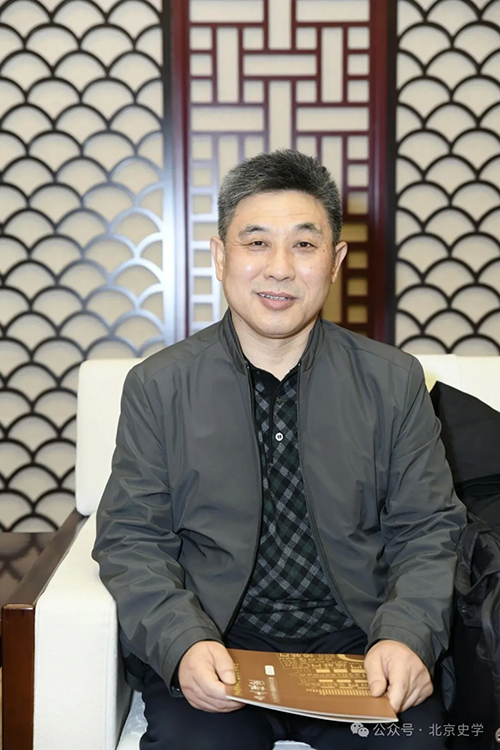
Sun Donghu is a research fellow(Grade 2) at the Institute of History, Beijing Academy of Social Sciences, and a member of the Beijing Municipal Research Institute of Culture and History. He serves as President of the Beijing Historical Studies Association, and holds memberships in the Historical Geography Committee of the Geographical Society of China and the Academic Committee of the Beijing Academy of Social Sciences, among others. His research interests include historical geography, toponymy, and regional history. He has authored more than twenty books, including Research on Ecological and Environmental Changes in Beijing over the Past Millennium, The Development History of Beijing Place Names, A History of Beijing Transportation, and An Outline of Beijing’s Historical Humanity and Geography, in addition to over 100 academic papers.