
Digital Governance Diverges: Study Contrasts Capitalist and Socialist Approaches in the Digital Age
 打印
打印 收藏
收藏 A recent academic analysis highlights the growing distinction between capitalist and socialist models of digital governance, shedding light on how different political and economic systems shape the development and regulation of digital technologies in the 21st century.
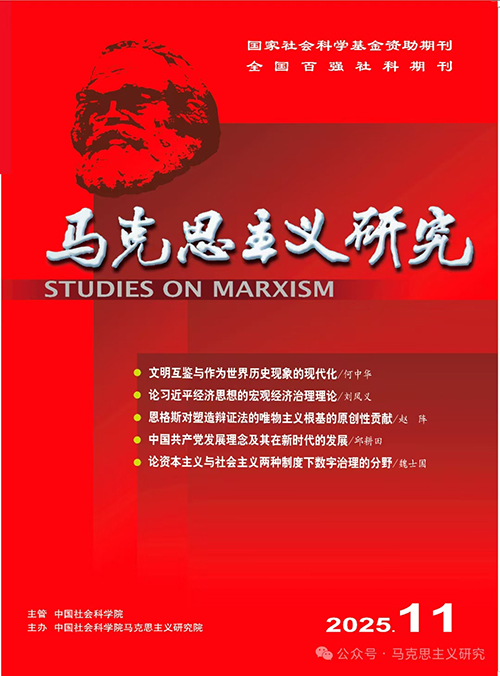
In the paper titled On the Division of Digital Governance under the Two Systems of Capitalism and Socialism, the abstract is as follows:
The contemporary digital revolution has spawned a distinction between two civilization paths. The formation and evolution of digital capitalism are deeply imprinted with its historical contingency and logical inevitability as a“renewal”plan for the crisis of the capitalist system after the global financial crisis in 2008. In the context of the evolution from surveillance capitalism to technofeudalism, its internal contradictions with data extraction, network monopoly, subject alienation and national governance failure as the core have been intensified. In contrast, through the top-level design of the National Data Bureau, the value sharing of authorized operation of public data and the financial sovereignty construction of digital RMB, the socialist digital governance shows the institutional advantages of consciously adjusting production relations to adapt to the development of productive forces. The construction of a comparative analysis framework of capital logic and people's logic reveals the structural distinction between the two social systems in the face of digital productivity, and provides theoretical support for understanding the new form of socialist digital civilization created by Chinese modernization.
The full paper has been published in Studies on Marxism, Issue 11, 2025.
About the Author
Wei Shiguo is Associate Research Fellow at the Institute of Marxism, BASS.