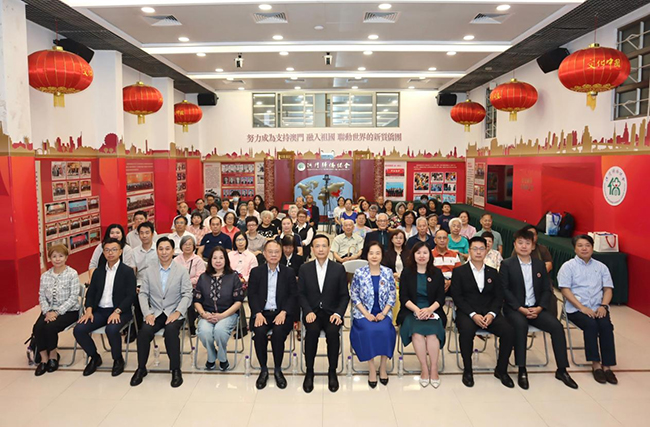
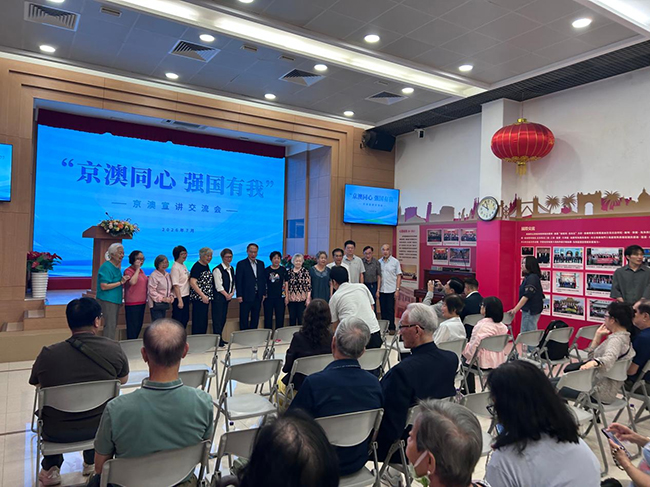
First “Beijing–Hong Kong–Macao United, Together for a Stronger Nation” Thematic Lecture Tour Successfully Concluded
 打印
打印 收藏
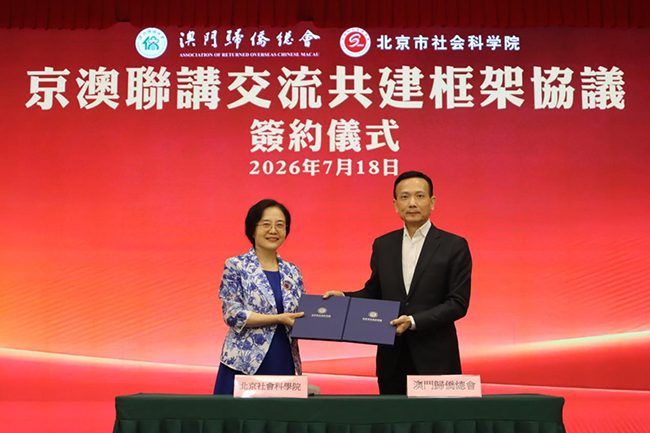
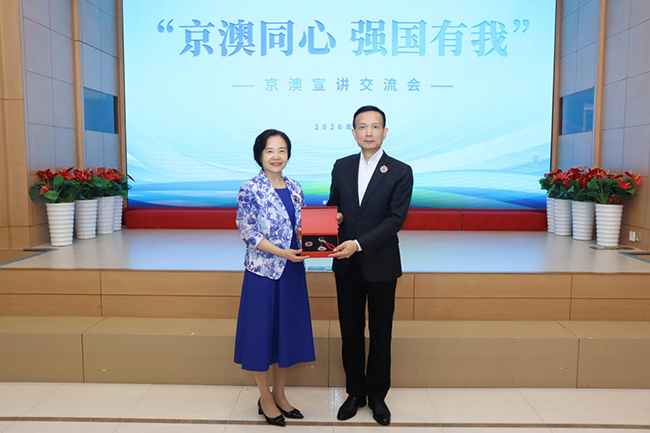
收藏To promote the dissemination of the Party’s innovative theories in Hong Kong and Macao, the Beijing Academy of Social Sciences (Lecturer Group of the CPC Beijing Municipal Committee), in accordance with its overall work plan, developed an innovative outreach model combining theory and policy with stories from ordinary people and integrating in-person and online presentations. From July 14 to 18, the delegation completed a lecture tour of Hong Kong and Macao, holding four research, study, lecture, and exchange activities under the theme “Beijing–Hong Kong–Macao United, Together for a Stronger Nation.” It also signed framework cooperation agreements with the Hong Kong Alumni Association of Beijing Universities and the Association of Returned Overseas Chinese Macau. The delegation was led by Xiao Junfeng, Member of the Party Leadership Group and Vice President of the Beijing Academy of Social Sciences and Head of the Lecturer Group of the CPC Beijing Municipal Committee, and included personnel from the Community Outreach Department, the Institute of Economics, and the Institute of Marxism of the Academy.
Engaging with High-Level Platforms and Building a New Framework for High-Level Cooperation
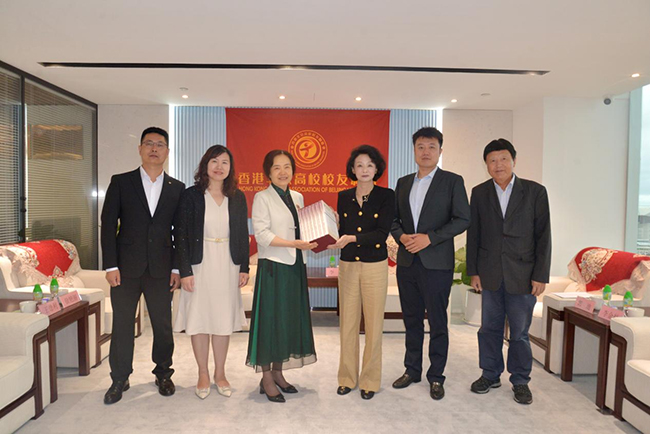
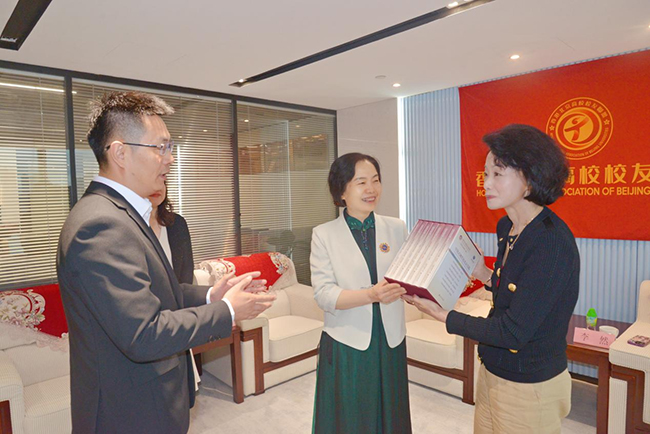
The lecture tour engaged influential hub organizations in Hong Kong and Macao, laying a solid foundation for deeper cooperation. On the morning of July 15, the delegation made its first visit to the Hong Kong Alumni Association of Beijing Universities (the “Association”). Founded in 2022 by Hong Kong alumni who had studied at universities in Beijing, the Association serves both as a networking organization and a coordinating hub. Its president, Li Ran, is a member of the Standing Committee of the Beijing Municipal Committee of the Chinese People’s Political Consultative Conference (CPPCC). Its core functions are to connect with and serve more than 100,000 alumni of Beijing universities in Hong Kong, promote educational and cultural exchanges between Beijing and Hong Kong, and help Hong Kong youth better understand the motherland. It is an important civil-society bridge for youth engagement between Beijing and Hong Kong.
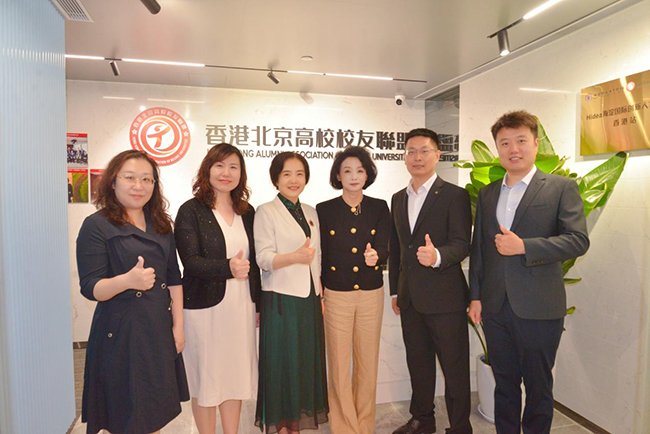
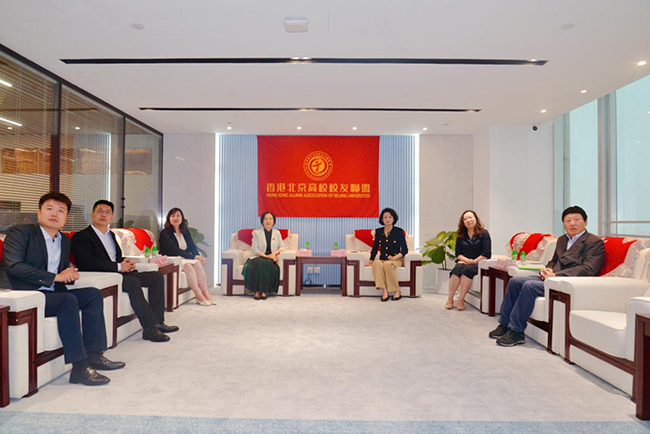
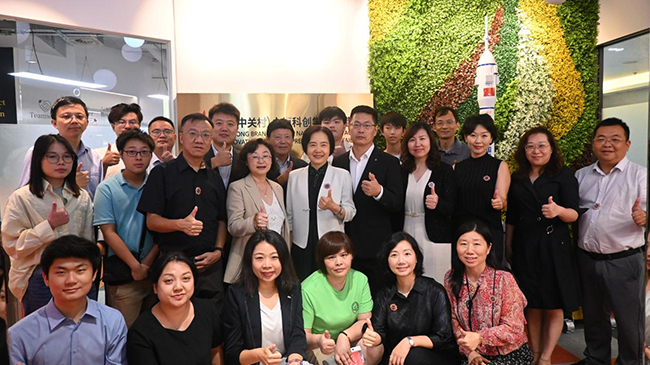
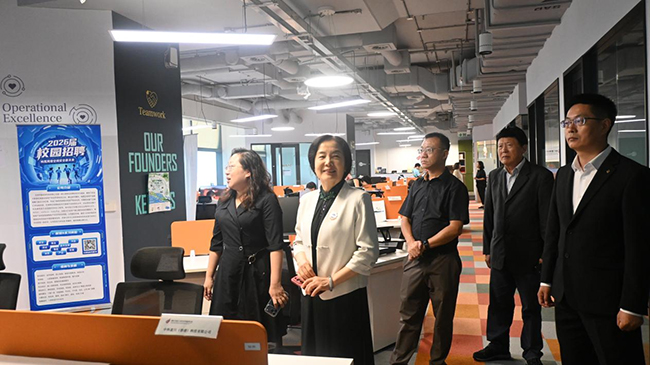
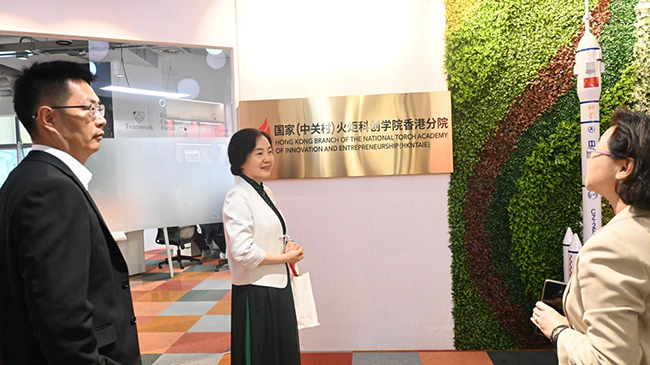
On the afternoon of July 15, the delegation visited the Hong Kong Branch of the National Torch Innovation and Entrepreneurship Academy. The branch is an offshore science and technology innovation service platform established in Hong Kong by the Torch Center of the Ministry of Science and Technology and the Beijing Municipal Government under the Zhongguancun innovation brand. It connects international innovation resources, supports innovation and entrepreneurship projects led by Hong Kong youth, and promotes the incubation and commercialization of mainland scientific and technological achievements in Hong Kong and overseas, making it an important gateway for Beijing–Hong Kong cooperation in science and technology innovation. Li Wenli, Executive Director of the Hong Kong Branch, chaired the discussion session, which brought together experts and scholars, university faculty and students, and business representatives from Hong Kong and Beijing.
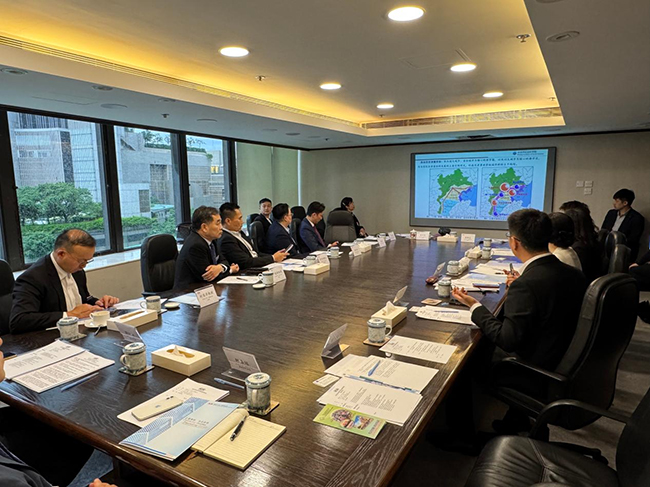
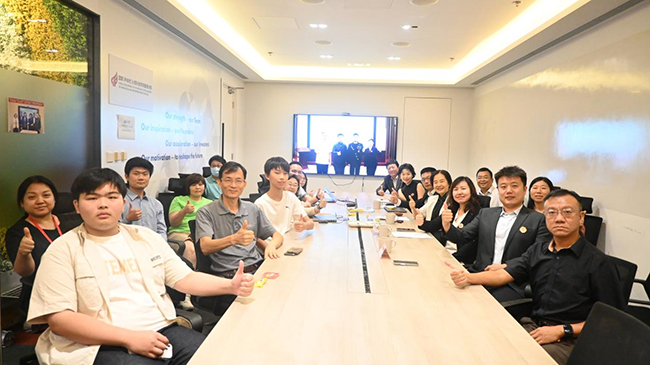
On July 16, the delegation visited the Chinese Manufacturers’ Association of Hong Kong (CMA). Founded in 1934, the CMA is one of Hong Kong’s oldest and largest industrial and commercial organizations, with members across major sectors including food manufacturing, garment trading, real estate, healthcare, and electronics. It has long promoted Hong Kong’s industrial transformation, facilitated domestic and international trade links, and cultivated professional talent, making it a key channel connecting Hong Kong’s business community with the mainland market. CMA Vice President Dr. Huang Weihong, together with several board members and representatives of the secretariat, warmly received the delegation. The two sides held in-depth discussions on deepening Beijing–Hong Kong economic and trade cooperation, promoting industrial coordination and innovation, and advancing youth development.
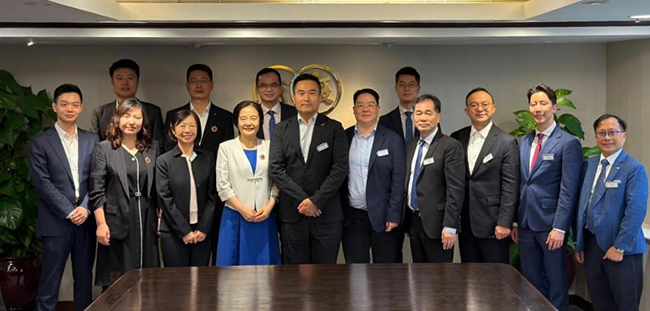
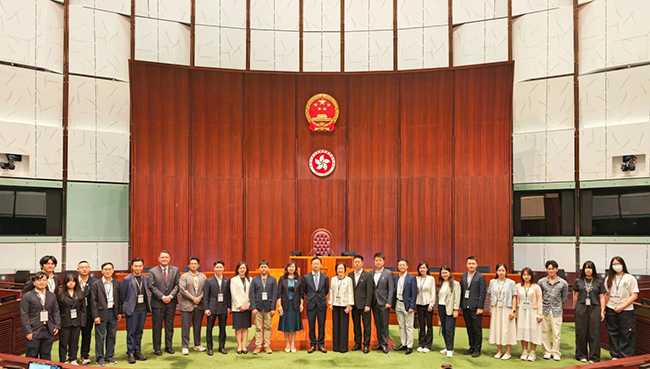
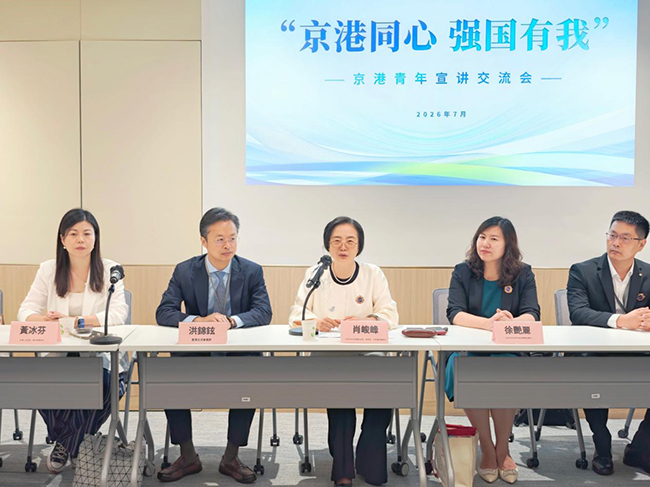
On the morning of July 17, the delegation visited the Legislative Council of the Hong Kong Special Administrative Region. As Hong Kong’s legislature, the Legislative Council exercises legislative, budget-approval, and government-oversight powers under the Basic Law and is a central institution in the operation of Hong Kong’s political system under “One Country, Two Systems.” The exchange session was chaired by Legislative Council member Hong Jinxuan, Chairman of the Urban Think Tank, and attended by Huang Bingfen, a deputy to the National People’s Congress; experts from the One Country Two Systems Research Institute (OCTSRI); and Hong Kong youth representatives. Discussions focused on national conditions education for young people and cooperation between Beijing and Hong Kong think tanks.
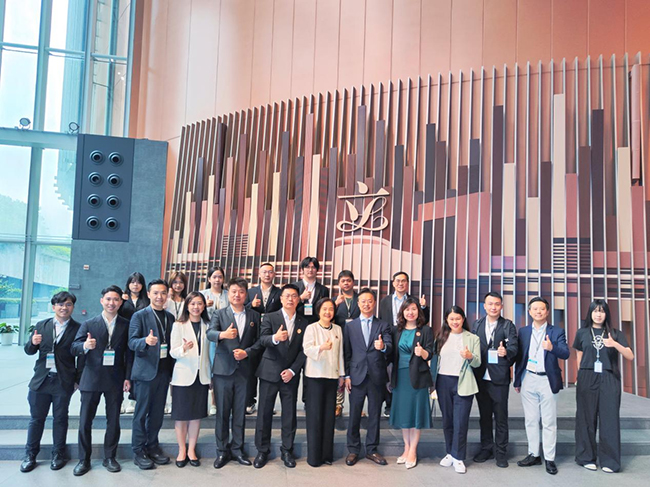
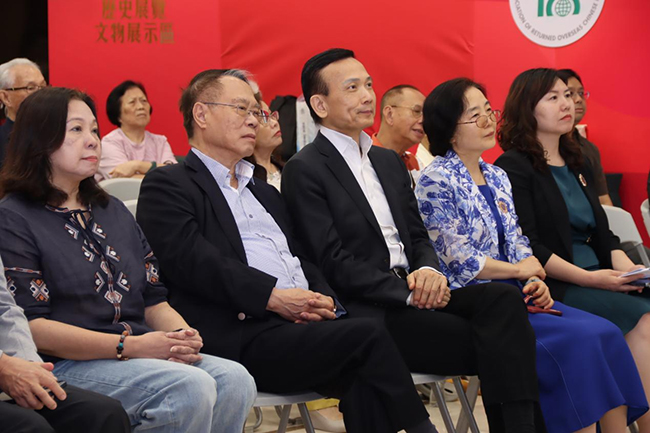
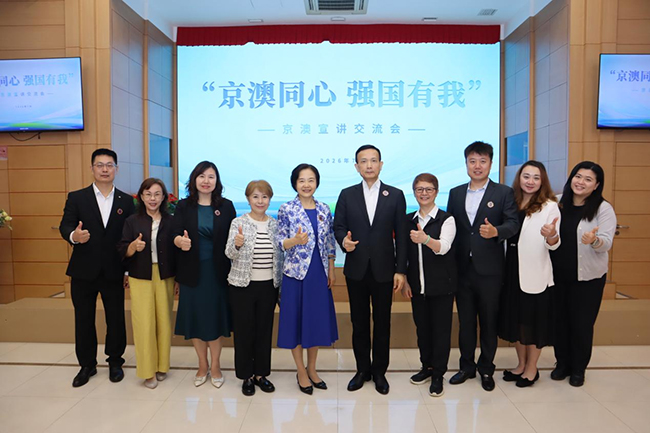
From the afternoon of July 17 to the morning of July 18, the delegation held in-depth exchanges with the Association of Returned Overseas Chinese Macau. Founded in 1968, the Association is one of Macao’s most influential patriotic organizations serving returned overseas Chinese. Its president, Liu Yahuang, is a member of the Standing Committee of the National Committee of the Chinese People’s Political Consultative Conference (CPPCC), while Wang Bincheng, Chairman of the Supervisory Board, oversees its day-to-day affairs. The Association brings together more than 10,000 returned overseas Chinese and their family members in Macao. It serves as an important link between Macao and the mainland and with overseas Chinese communities, and has long worked to unite the overseas Chinese community and support the practice of “One Country, Two Systems.”
These partner organizations are highly influential and well resourced. Their particular strengths in advancing international cooperation in science and technology innovation and bringing together professional talent have opened broad prospects for substantive follow-up cooperation.
Lectures Resonate Deeply as All Sectors Call for Deeper Beijing–Hong Kong–Macao Integration
The four thematic lecture activities received an enthusiastic response, highlighting the strong demand across Hong Kong and Macao for a better understanding of national conditions and a deeper desire for cooperation among Beijing, Hong Kong, and Macao.
Special Session at the Hong Kong Branch of the National Torch Innovation and Entrepreneurship Academy
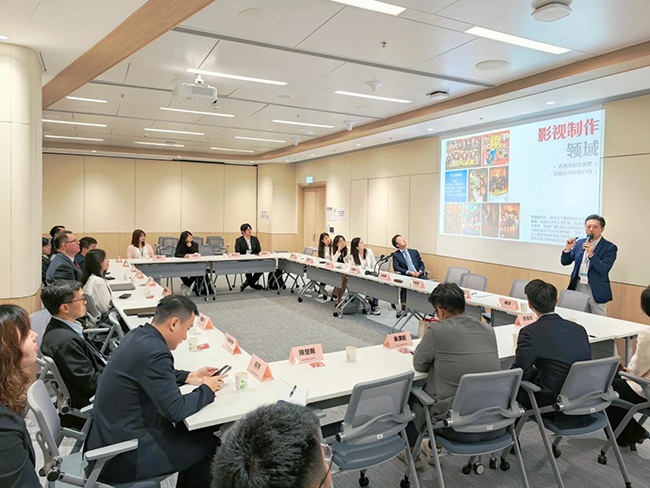
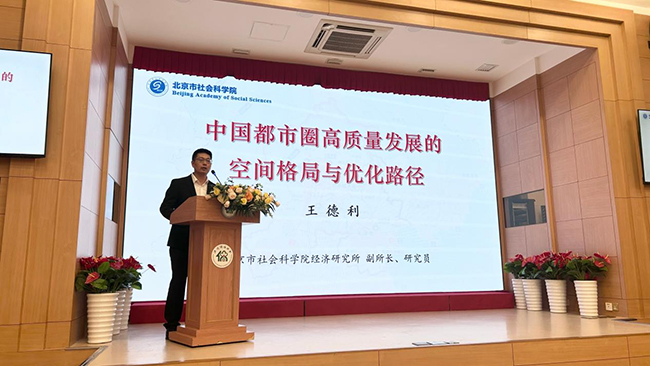
Wang Deli, Deputy Director and Research Fellow at the Institute of Economics of the Beijing Academy of Social Sciences, delivered a presentation titled “Spatial Patterns and Optimization Paths for the High-Quality Development of China’s Metropolitan Areas,” offering an in-depth analysis of emerging trends and opportunities in China’s regional development strategy. Yang Hao, Assistant Researcher at the Institute of Marxism, explained the contemporary vitality and innovative transmission of China’s fine traditional culture in “The Cultural Foundations and Contemporary Expression of the Flourishing Guochao(China Chic) Trend.” Hu Wenge, a leading performer with the Beijing Peking Opera Theatre and a third-generation male inheritor of the Mei School specializing in female roles, conveyed cultural confidence through the quintessential Chinese art of Peking Opera in “Pear Blossoms in a Prosperous Era Sing My Heart.” Fu Yandong, a representative inheritor of the national-level intangible cultural heritage of Fu Family Illusion and Vice Chairman of the Beijing Acrobatic Artists Association, presented “Chinese Symbols Shining on the World Stage,” showcasing the distinctive appeal of traditional skills. Liu Ying, a guide at the National Information Technology Application and Innovation Exhibition Center, vividly recounted China’s pursuit of self-reliance and strength in science and technology in “Our Chinese ‘Chip.’” Pan Qingquan, a photographer with Beijing Yizhuang Holding Group, used visual storytelling in “Swan Lake at My Doorstep” to present the achievements of ecological civilization development in the capital. Covering economic development, cultural inheritance, technological innovation, and ecological development, the presentations combined theoretical depth with practical warmth and drew repeated applause. University students in attendance expressed a strong desire to participate in future lecture activities. Student representatives from the Chinese University of Hong Kong, the City University of Hong Kong, the Education University of Hong Kong, and other institutions attended in person, while the event was livestreamed to ten Hong Kong schools and watched online by 7,000 students.
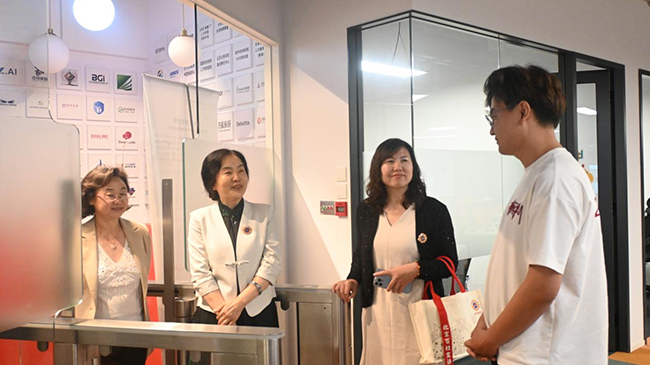
Special Session at the Chinese Manufacturers’ Association of Hong Kong
Addressing leading members of Hong Kong’s business community, the lectures were closely tailored to industry needs. The presentations by Wang Deli and Yang Hao resonated strongly with board members. Board member Ke Jiayang, a member of the CPPCC Beijing Tongzhou District Committee, said he had found the presentations highly inspiring. He highlighted the considerable reference value of the “shared investment and shared tax revenue” model for integrated metropolitan development and of using Guochao culture to empower industrial upgrading. He also expressed a strong hope that a Beijing delegation from the CMA would pay a return visit to the Beijing Academy of Social Sciences. Executive Board Member Cai Zhiting expressed a similar expectation, underscoring the business community’s strong demand for mainland policy research and market insights.
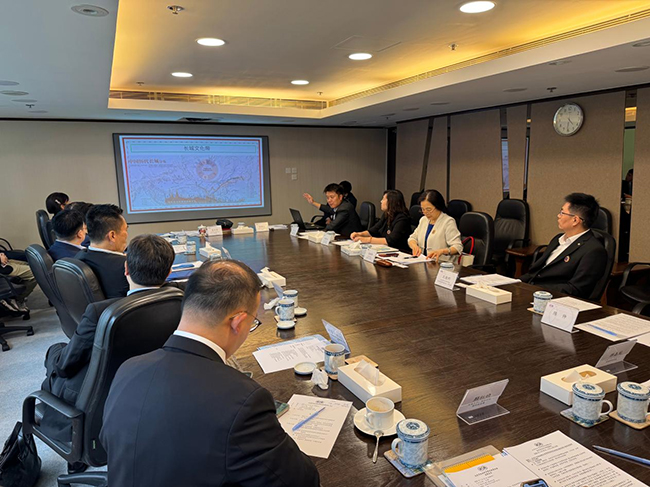
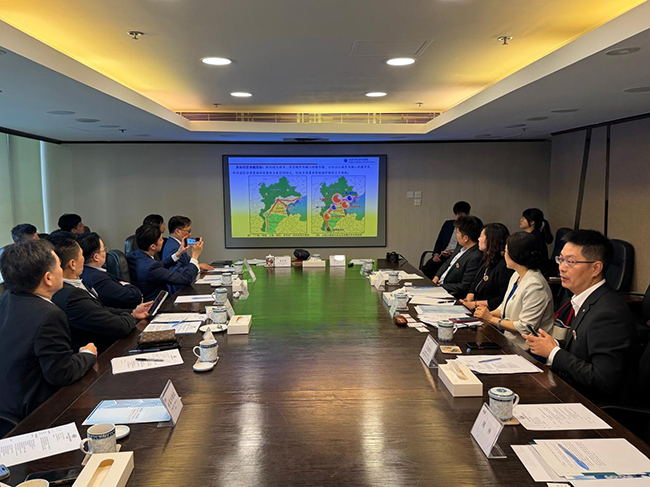
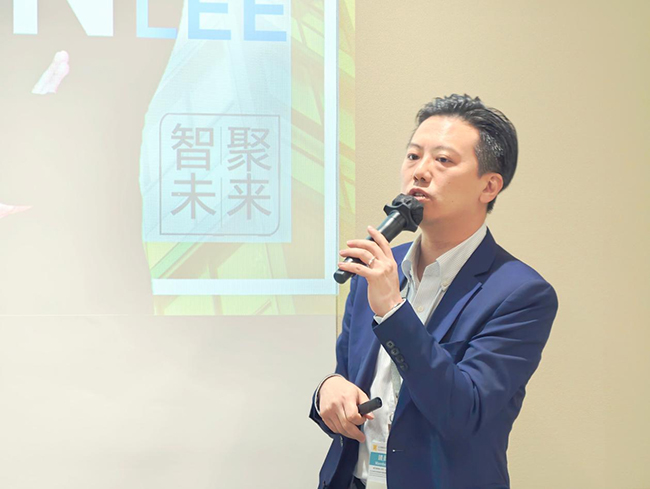
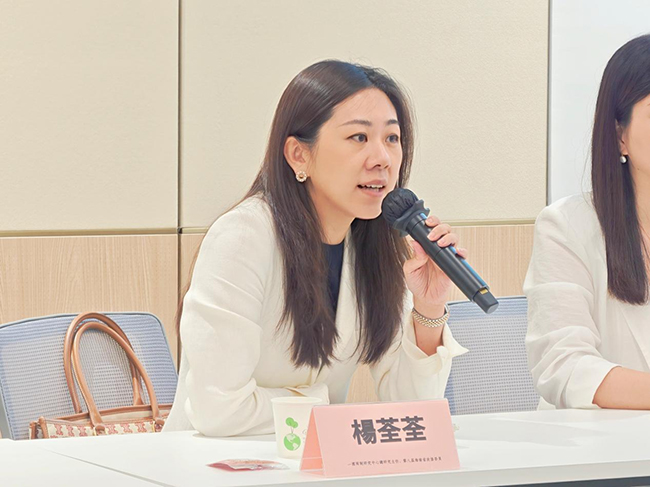
Yang Quanquan, Chief Research Director of the One Country Two Systems Research Institute (OCTSRI) and Member of the 8th Hainan Provincial Committee of the Chinese People’s Political Consultative Conference (CPPCC)
Huang Bingfen, a deputy to the National People’s Congress, observed during the discussion that Hong Kong youth’s needs in learning about national conditions are shifting from knowledge transmission to experiential learning, from macro-level narratives to personal connection, and from one-way reception to two-way dialogue. Beijing’s strategic positioning as the “Four Centers” and Hong Kong’s role as a “super connector” together make youth exchanges between the two cities an important vehicle for national conditions education in the new era. Going forward, priority should be given to establishing regular, branded exchange mechanisms; developing a two-way lecture and dialogue model based on mutual learning; and expanding integrated online and in-person formats. These efforts will help young people in Beijing and Hong Kong align in purpose and action and jointly pool tremendous strength for building a strong country and achieving national rejuvenation.
Special Session at the Association of Returned Overseas Chinese Macau
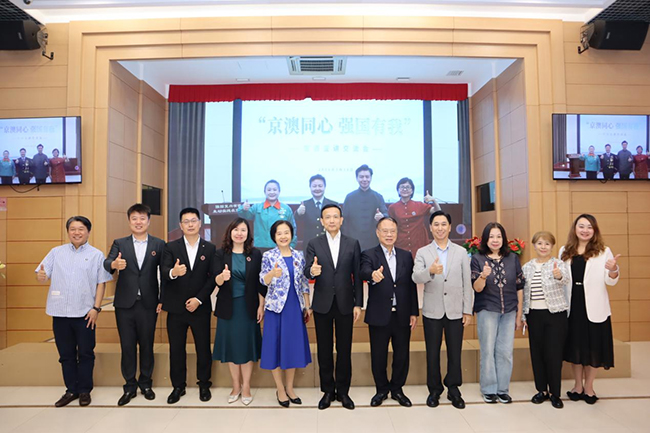
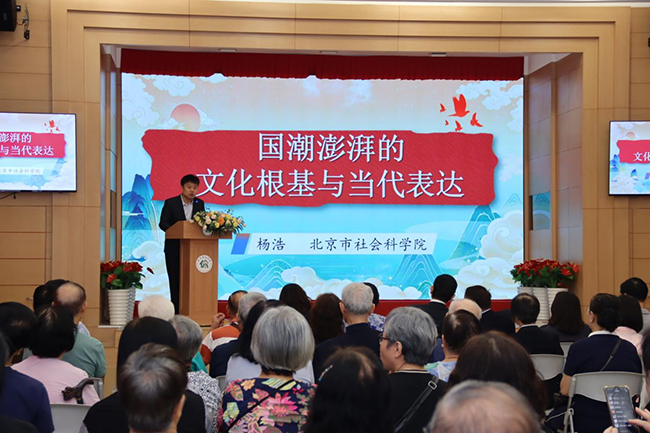
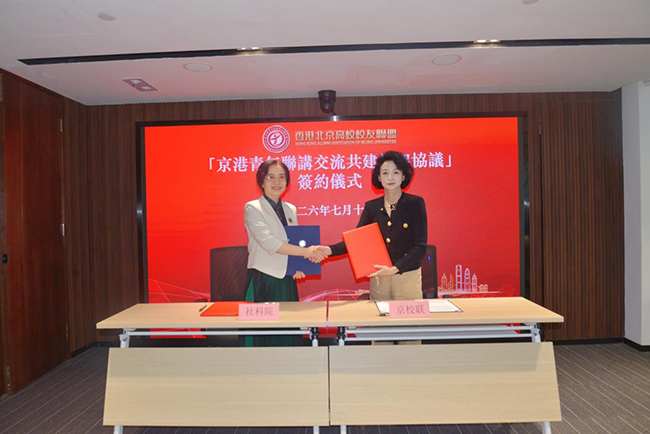
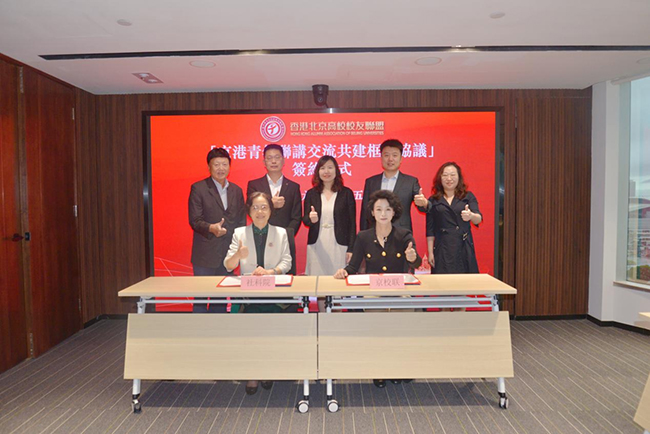
Leaders of the Association of Returned Overseas Chinese Macau also repeatedly stressed the need for think-tank support to better advance the steady and sustained practice of “One Country, Two Systems.” As an important local social sciences think tank, the Beijing Academy of Social Sciences is highly regarded for its policy interpretation and theoretical research. The cooperation agreements signed during the tour directly reflected the desire of institutions in Hong Kong and Macao to establish long-term collaborative mechanisms with high-level think tanks and obtain intellectual support for implementing major plans and addressing development challenges.
Addressing Economic Challenges: The Time Is Right for Coordinated Industrial Development among Beijing, Hong Kong, and Macao
Amid the global economic downturn, Hong Kong faces pressure to transform its industries, while Macao is working to advance appropriate economic diversification. Both face bottlenecks in cultivating high-end industries, attracting and retaining talent, and commercializing scientific and technological achievements. Huang Weihong, Vice President of the Chinese Manufacturers’ Association of Hong Kong, noted that although the development of the Guangdong–Hong Kong–Macao Greater Bay Area offers broad opportunities, Hong Kong enterprises still need more accessible channels and stronger support to integrate into national development.
During the exchange, Xiao Junfeng, Vice President of the Beijing Academy of Social Sciences, noted that Beijing is accelerating the development of an international science and technology innovation center and possesses abundant innovation resources and a vast market hinterland. Hong Kong is an international financial, shipping, and trade center with extensive global networks, while Macao plays a distinctive role as a platform between China and Portuguese-speaking countries and as a link to overseas Chinese . The three cities have highly complementary strengths in commercializing scientific and technological achievements, youth innovation and entrepreneurship, industrial collaboration and upgrading, and the use of culture to empower industry. Organizations including the Hong Kong Alumni Association of Beijing Universities, the Chinese Manufacturers’ Association of Hong Kong, and the Association of Returned Overseas Chinese Macau hope to draw on the Beijing Academy of Social Sciences’ research capacity and platform resources to remove bottlenecks in industry–university–research collaboration. This would enable enterprises and talent from Hong Kong and Macao to use the mainland’s strategic hinterland to commercialize research outcomes and expand markets, while jointly fostering new quality productive forces. They also hope to use lecture activities to share the achievements made since Hong Kong and Macao returned to the motherland and became integrated into national development, and to tell the stories of China, Beijing, Hong Kong, and Macao to audiences on both sides of the Taiwan Strait, in Hong Kong and Macao, among overseas Chinese communities, and around the world. The cooperation intentions reached during the visit represent a timely joint response by Beijing, Hong Kong, and Macao to development bottlenecks and the pursuit of mutually beneficial outcomes.
The research and lecture tour followed an intensive schedule and was rich in substance. It successfully engaged high-level institutions in Hong Kong and Macao, closely aligned with the needs of different sectors, and produced important consensus, particularly on supporting the implementation of national strategic plans, addressing economic development challenges, and promoting joint lectures and exchanges among Beijing, Hong Kong, and Macao. The Beijing Academy of Social Sciences will use the visit as an opportunity to advance its goal of becoming a nationally first-class and internationally renowned social sciences academy. It will continue to strengthen regular cooperation mechanisms with partners in Hong Kong and Macao and provide robust think-tank support for complementary strengths and coordinated development across the three cities, thereby contributing to the country’s high-standard opening-up and the great practice of “One Country, Two Systems.”