
Institute of History’s Gao Fumei Invited to Academic Symposium in Macao
 打印
打印 收藏
收藏From March 19 to 21, 2026, Gao Fumei, Director of the Institute of History, BASS, was invited to attend the international academic symposium “Global History from the Perspective of Macao” in Macao. The event brought together nearly 50 scholars from renowned institutions such as the Chinese Academy of Social Sciences, Peking University, Tsinghua University, Fudan University, the University of Macau, Macao Polytechnic University, the University of Lisbon, NOVA University Lisbon, the University of Évora, and the Autonomous University of Madrid.
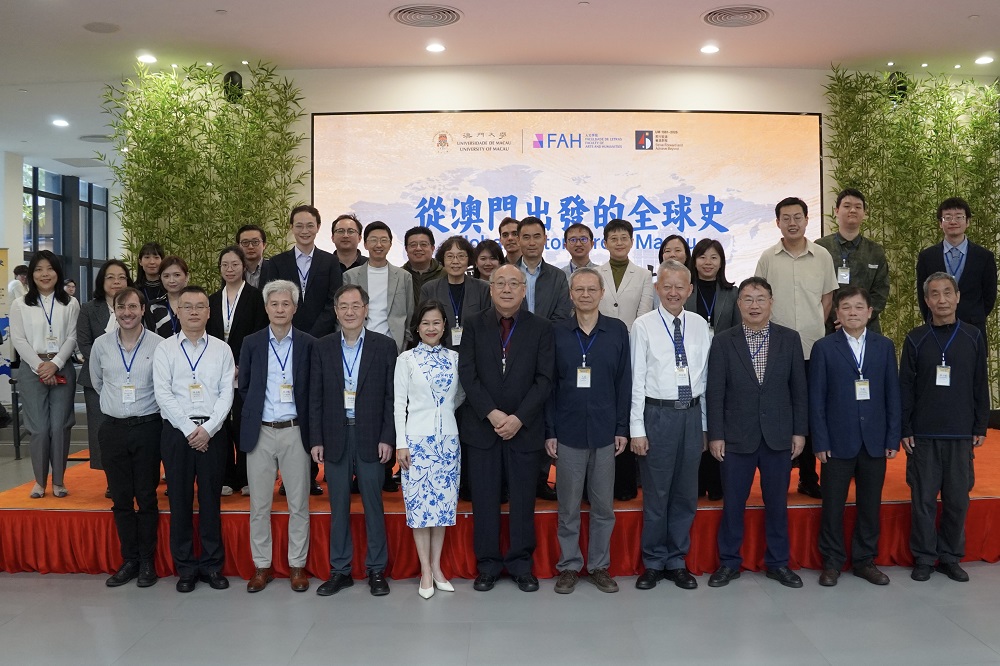
Centered on the theme “Global History from the Perspective of Macao”, the symposium explored the impact of globalization on China since the Age of Discovery in the 16th century, as well as China’s influence on global historical processes. Discussions focused on the multiple dimensions of globalization across different models and contexts.
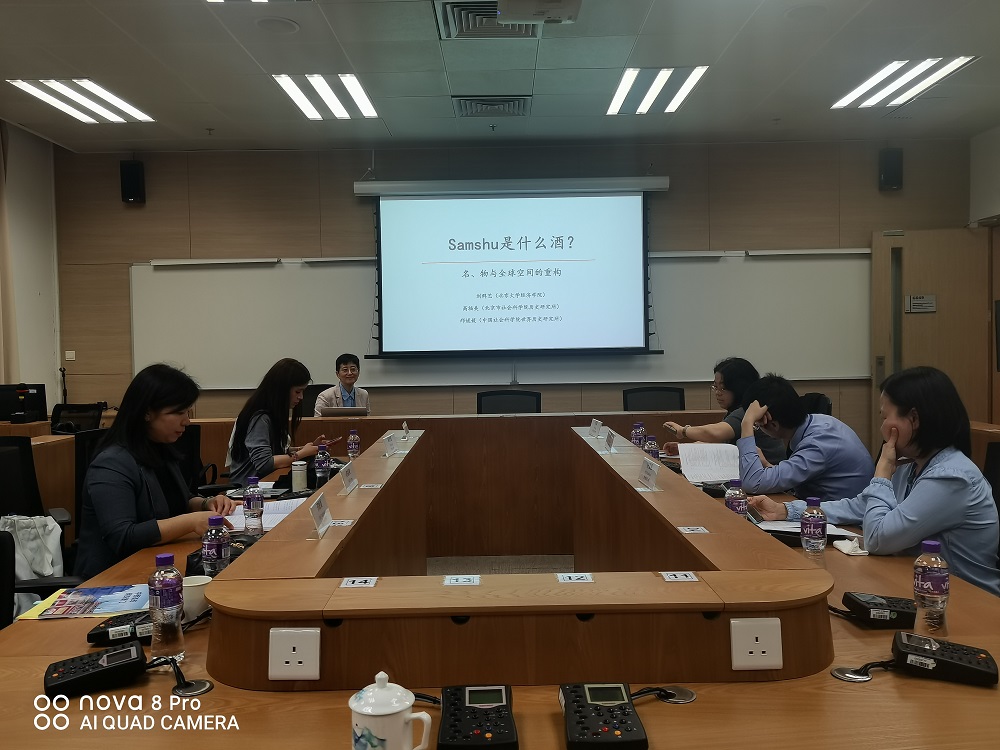
Gao Fumei presented a paper titled “What Is Samshu? Name, Commodity, and the Reconstruction of Global Space”. Drawing on multilingual historical sources, the study examines how a commodity originating in China became entangled in multifaceted knowledge construction within modern commercial networks, warfare, and cultural spheres. This process, the paper argues, not only reflects the integration of global space but also reveals the knowledge gaps and “deviated” transmission shaped by different cultural contexts. As a form of globally circulating knowledge, samshu offers a critical lens for rethinking the presumed singular conclusions in current global history research and points to alternative directions for scholarly inquiry.
The University of Macau has in recent years committed to building a platform for urban narratives and cross-regional dialogue within the framework of global history. In line with this vision, the symposium also facilitated discussions on advancing research on Beijing’s history, Chinese urban history, and comparative urban studies from a global perspective. Initial agreements were reached on future academic exchanges, collaborative research, and joint projects.