
The Third Future Cities Academic Symposium Held in Beijing
 打印
 收藏
Xi Jinping, general secretary of the Communist Party of China Central Committee, has noted that artificial intelligence, as a strategic technology leading the new round of scientific and technological revolution and industrial transformation, has profoundly changed the way humans produce and live. This important statement provides fundamental guidance and a framework for action for China’s urban development to seize the strategic opportunities presented by AI, promote the broad and deep integration of AI with urban construction, operation, and governance, and advance high-quality urban development. It also charts a course for Beijing in the new era to put the people-centered city philosophy into practice, comprehensively enhance development momentum, strengthen the functions of the “Four Centers,” and raise the level of modernized governance in megacities.
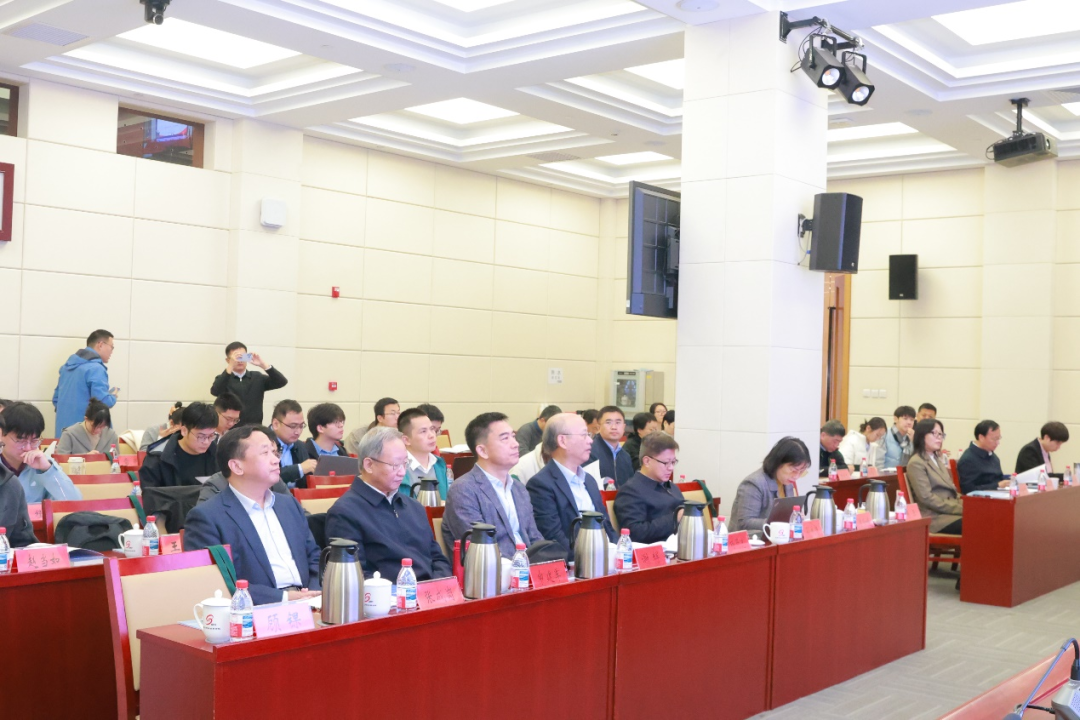
On November 1, the Third Future Cities Academic Symposium was held in Beijing. Co-hosted by the Beijing Academy of Social Sciences and the Philosophy and Social Sciences Branch of the Beijing Experts Fellowship Association, the symposium focused on the theme “Empowering High-Quality Urban Development with Artificial Intelligence.” It thoroughly studied and implemented the guiding principles of the Fifth Plenary Session of the 20th CPC Central Committee and the Central Urban Work Conference. Focusing on the theoretical implications and practical models of the shift in AI applications from “technological embedding” to “deep-level empowerment,” the symposium featured keynote speeches, special presentations, and three parallel sub-forums. Participants engaged in in-depth discussions on cutting-edge topics including the transition from “intelligent technology” to “good urban governance,” the coordinated development of urban agglomerations, the cultivation of new quality productive forces, and smart city development, with the aim of contributing academic expertise to the development of modern people-centered cities in the digital-intelligent era and to strengthening Beijing’s “Four Centers” functions.
Professor Xie Hui, Secretary of the Party Leadership Group of our Academy, delivered remarks at the opening ceremony, and Lu Ya, Member of the Party Leadership Group and Vice President of the Academy, chaired the symposium. Professor Yang Kaizhong, Member of the Academic Division of the Chinese Academy of Social Sciences, Dean of the Faculty of Applied Economics at the University of Chinese Academy of Social Sciences, and President of the Philosophy and Social Sciences Branch of the Beijing Experts Fellowship Association; Professor Shen Jianjun, former Director of the Science and Technology Committee of the Beijing Municipal Committee of the Chinese People’s Political Consultative Conference and former Party Secretary of the Capital University of Economics and Business; Professor Sun Bindong, Qiushi Distinguished Professor at Zhejiang University and Vice President of the Regional Science Association of China (RSAC); and Professor Zhang Chenggang, Dean of the Institute for Social Governance and Development at Tsinghua University, attended the symposium and delivered keynote speeches. Professor Gu Ke, Vice Dean of the School of Artificial Intelligence at Beijing University of Technology; Professor Li Lingjuan of the University of Chinese Academy of Sciences; and Professor Yang Jidong, Vice Dean of the Institute of State-Owned Economy at Renmin University of China, delivered special presentations. More than 80 experts and scholars from over 30 universities, research institutions, and academic journals attended the symposium, including the Chinese Academy of Social Sciences, the Policy Research Center for Environment and Economy under the Ministry of Ecology and Environment, Tsinghua University, Renmin University of China, Beijing Normal University, Beijing Jiaotong University, Beijing University of Technology, University of International Business and Economics, Beijing International Studies University, Capital University of Economics and Business, Zhejiang University, Nanjing University, Zhengzhou University, Dalian University of Technology, China University of Geosciences (Wuhan), Urban Development Studies, Journal of Beijing Administrative College, Finance & Accounting, Chinese Social Sciences Today, and Qianxian.
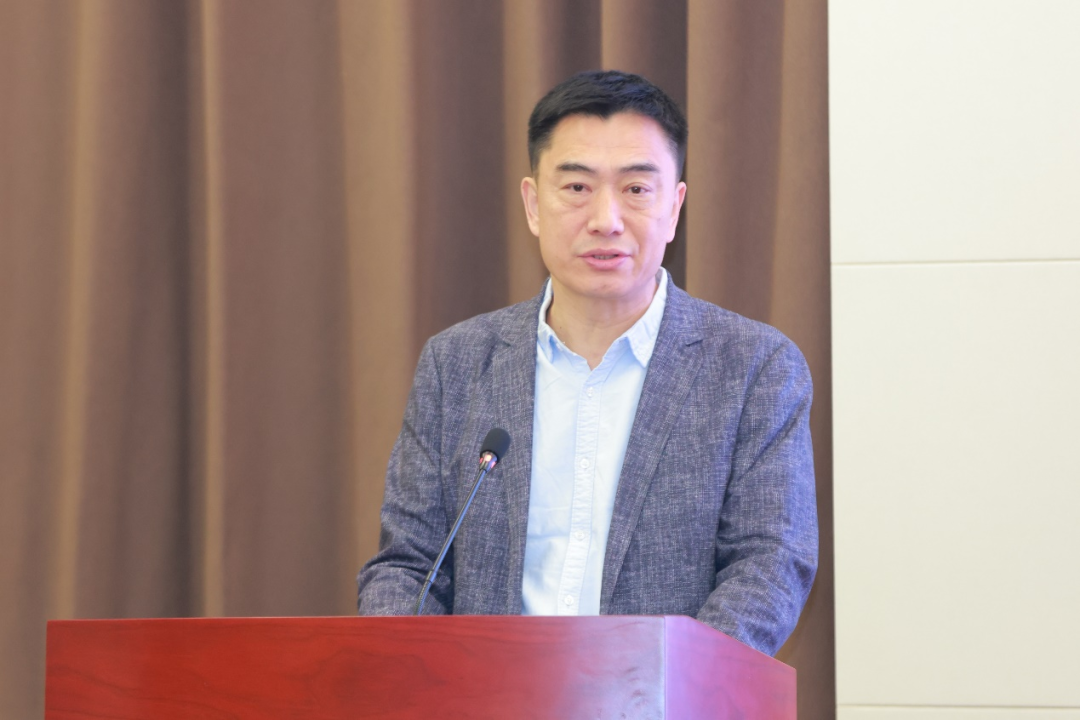
In his remarks, Professor Xie Hui noted that a new round of scientific and technological revolution and industrial transformation is advancing rapidly, with digital technologies and artificial intelligence evolving at an accelerating pace. The logic of urban development, urban spatial forms, and governance models are undergoing profound changes, bringing new opportunities and challenges to the transformation of megacities. The faster technological change advances, the more important it is to uphold a people-centered approach, uphold fundamental principles while pursuing innovation, and seek answers in the laws of urban development and the practical experience of governing the capital. This symposium focuses on AI-empowered high-quality urban development and the future of urban development. It not only addresses cutting-edge issues in the modernized governance of megacities but also carries distinct practical significance for the capital. Beijing continues to uphold its functional positioning as the “Four Centers,” advance reduction-oriented and high-quality growth, and accelerate smart city development. To follow a sound path toward modernized governance of megacities, we must both grasp the trends of change in the digital-intelligent era and explore how cities can make effective use of technological dividends, optimize spatial provision, improve public services, and guard against governance risks, while translating research consensus into practical and effective policy solutions. Our Academy has successfully hosted two consecutive “Future Cities” academic symposia. This year’s third symposium further focuses on “Empowering High-Quality Urban Development with Artificial Intelligence,” examining both new forms of smart cities enabled by AI and new issues facing urban governance in the digital-intelligent era. We hope this platform will enable experts in urban planning, construction, operation, and governance to exchange ideas fully, broaden their research horizons through academic discussion, and deepen their understanding of real-world issues through comparative experience.
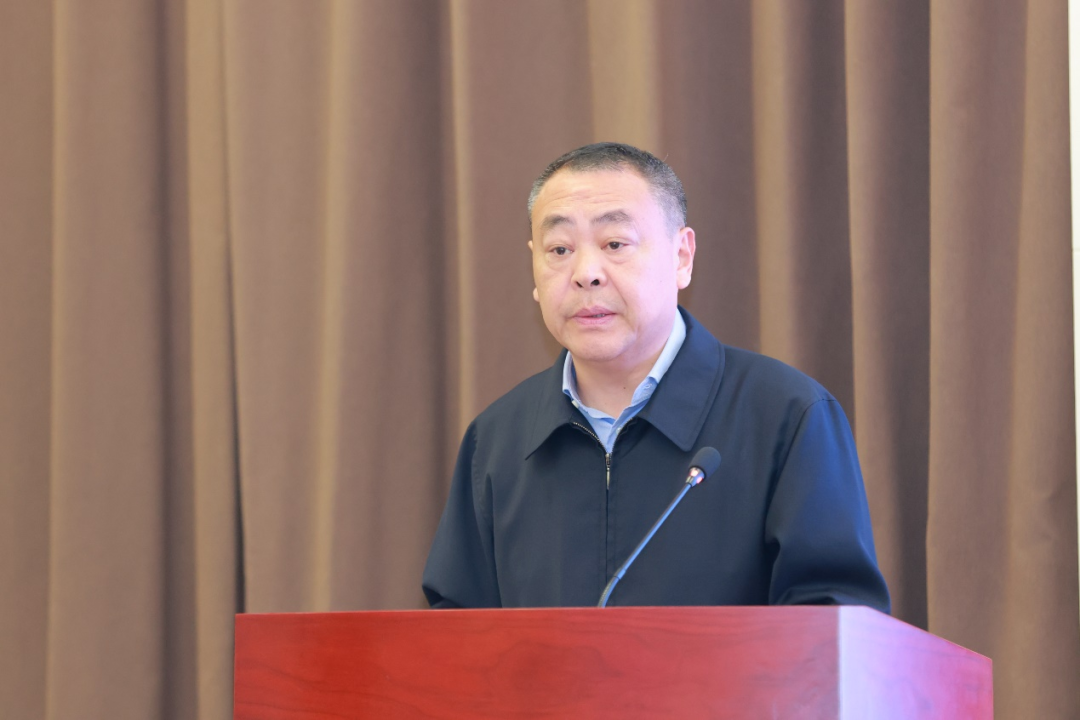
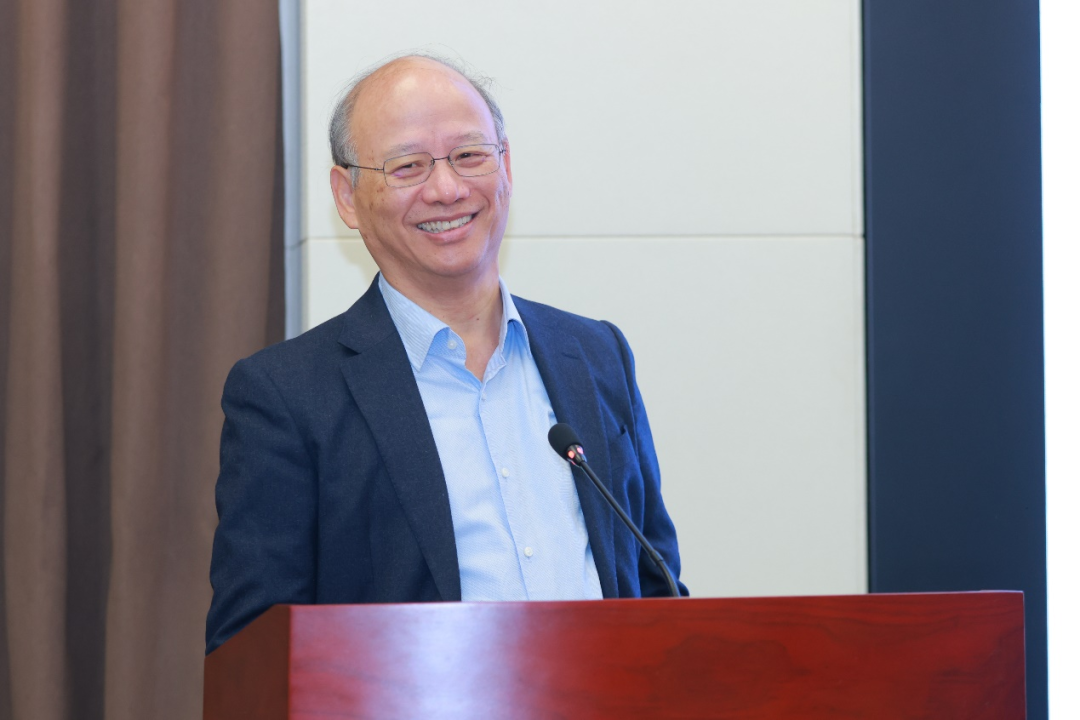
Professor Yang Kaizhong delivered a keynote speech titled “Green, Smart and Resilient Integration in Three Dimensions: A Paradigm Shift from Industrial Civilization to Ecological Civilization.” He noted that cities are the core carriers of civilization and that future cities will be “eco-smart‑empowered cities” characterized by the integrated and iterative convergence of green, smart, and resilient development. He described civilization as an open-ended process of existence in which the “sevenfold metabolism” between humanity and nature—encompassing matter, energy, information, institutions, organization, values, and other dimensions—undergoes continuous iteration. He emphasized that, faced with two possible futures— “business as usual” and “systemic transformation”—we must achieve a leap from industrial civilization to ecological civilization by following a path of symbiotic and iterative development integrating green, smart, and resilient dimensions. New quality productive forces are the cornerstone and engine of this leap, with the direction lying in “the transformation of the seven‑dimensional metabolism, the symbiosis of the three-in-one system, and the leap toward ecological civilization.”
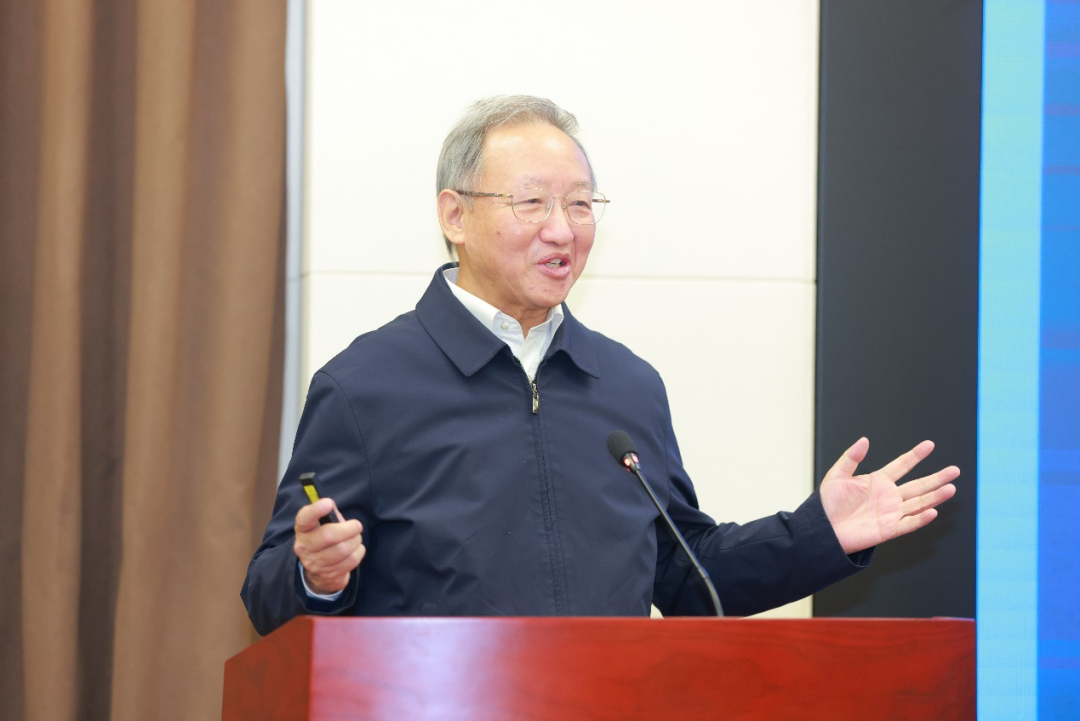
Professor Shen Jianjun delivered a keynote speech titled “Empowering the Development of Beijing’s Internet of Vehicles with Artificial Intelligence.” He noted that the Internet of Vehicles (IoV) relies on coordinated closed-loop control across five systems—vehicles, roads, cloud, networks, and maps—and that a latency of 70 milliseconds is not merely a communications metric but a safety boundary. In Beijing, he said, the IoV is not an optional choice but a necessary task driven by the dual imperatives of industrial upgrading and urban governance. He argued that AI plays four major roles in the IoV—perception, decision-making, data processing, and scenarios—and that Beijing combines strengths in AI with complex, real-world road conditions. He emphasized the need to use AI to prevent risks, govern data, and regulate AI itself, thereby developing an IoV pathway characterized by positive interaction between high-quality development and high-level security.
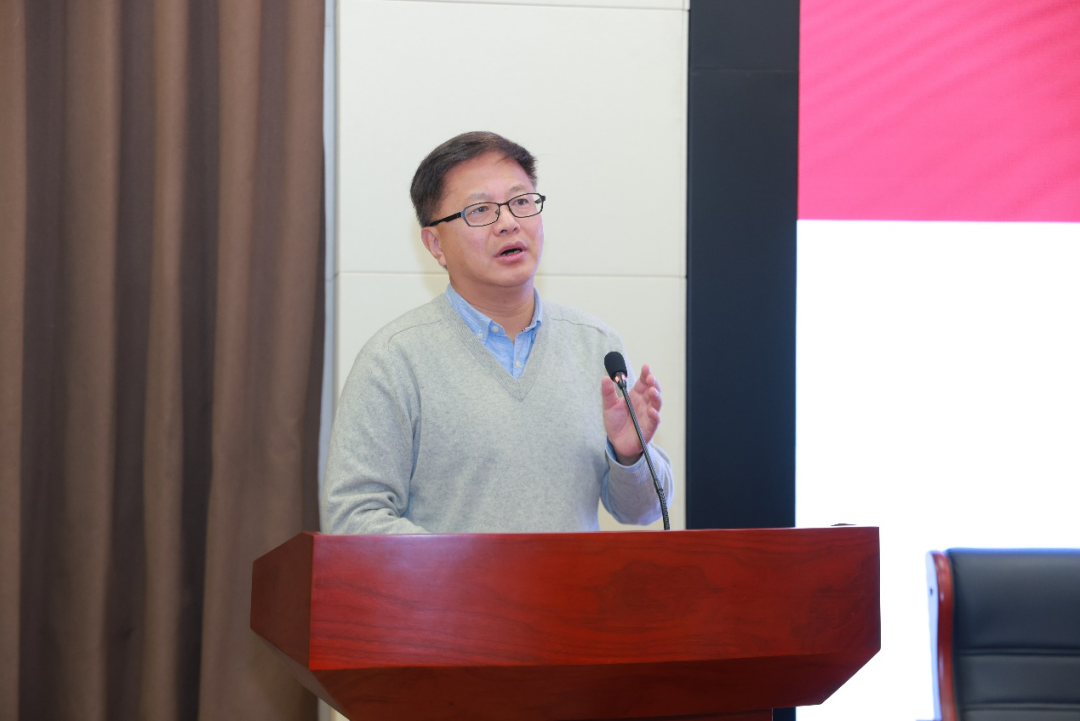
Professor Sun Bindong delivered a keynote speech titled “Research on AI-Empowered High-Quality Development of Urban Agglomerations: Marketization and Regional Disparities.” He noted that AI not only transforms cities but also serves as a research tool for measurement and identification, analysis, and predictive simulation. Using large language models to conduct text analysis of more than 6,000 government work reports, he measured the degree of marketization based on the frequency of terms such as “entrepreneur” and “entrepreneurship and innovation,” and constructed a framework of “institutional foundations, behavioral drivers, and spatial responses.” He emphasized that the higher the degree of marketization, the smaller the gap between core and peripheral areas; institutions determine the driving force, while the key lies in fostering an entrepreneurial spirit, encouraging entrepreneurship, narrowing regional disparities, and advancing common prosperity.
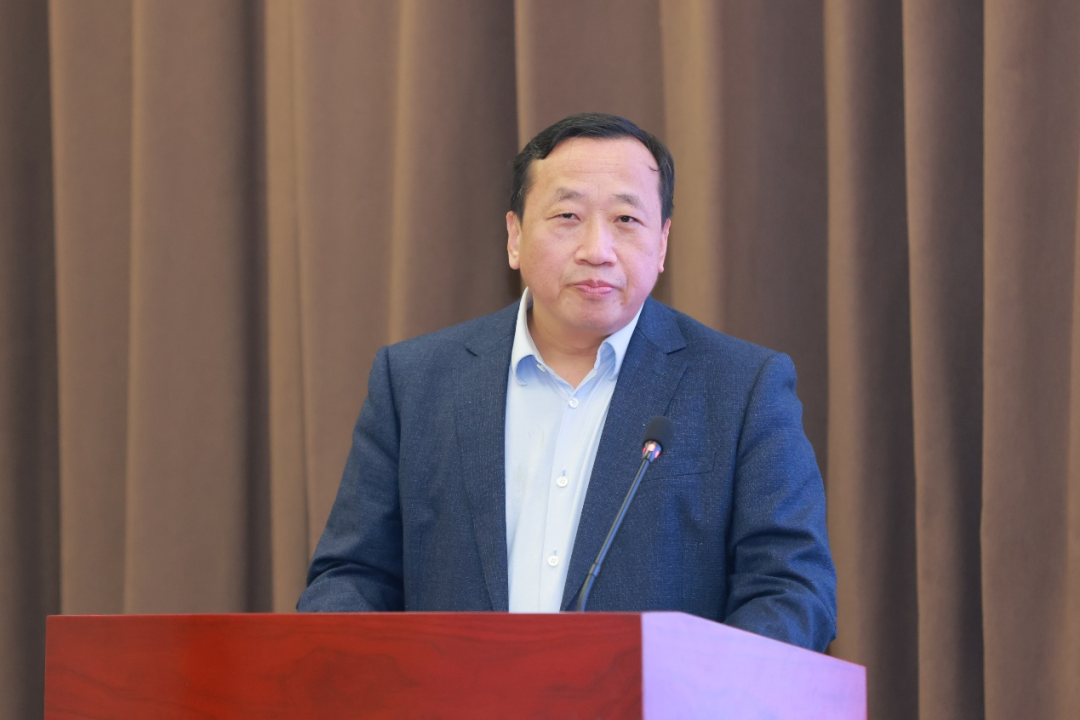
Professor Zhang Chenggang delivered a keynote speech titled “From ‘Intelligent Technology’ to ‘Good Urban Governance’: How AI Is Reshaping the Underlying Logic of High-Quality Urban Development.” He noted that understanding AI requires moving beyond an instrumentalist perspective and an efficiency-centered logic; the integration of AI into cities represents a systemic restructuring at the intersection of technological revolution and the evolution of urban systems. He explained this restructuring through three dimensions—driving forces, operations, and values—and proposed a shift from “land for investment” to “scenarios for innovation,” from “bureaucratic fragmentation” to “integrated intelligent governance,” and from “computable cities” to “livable cities.” He emphasized that the value logic is a prerequisite rather than an add-on and should guide both the driving-force and operational logics, so as to achieve effective, equitable, inclusive, resilient, and accountable good urban governance and make cities both smarter and more humane.
During the special-presentation session, Professors Gu Ke, Li Lingjuan, and Yang Jidong shared cutting-edge insights and interdisciplinary perspectives on practical pathways and institutional innovation for AI-empowered high-quality urban development.
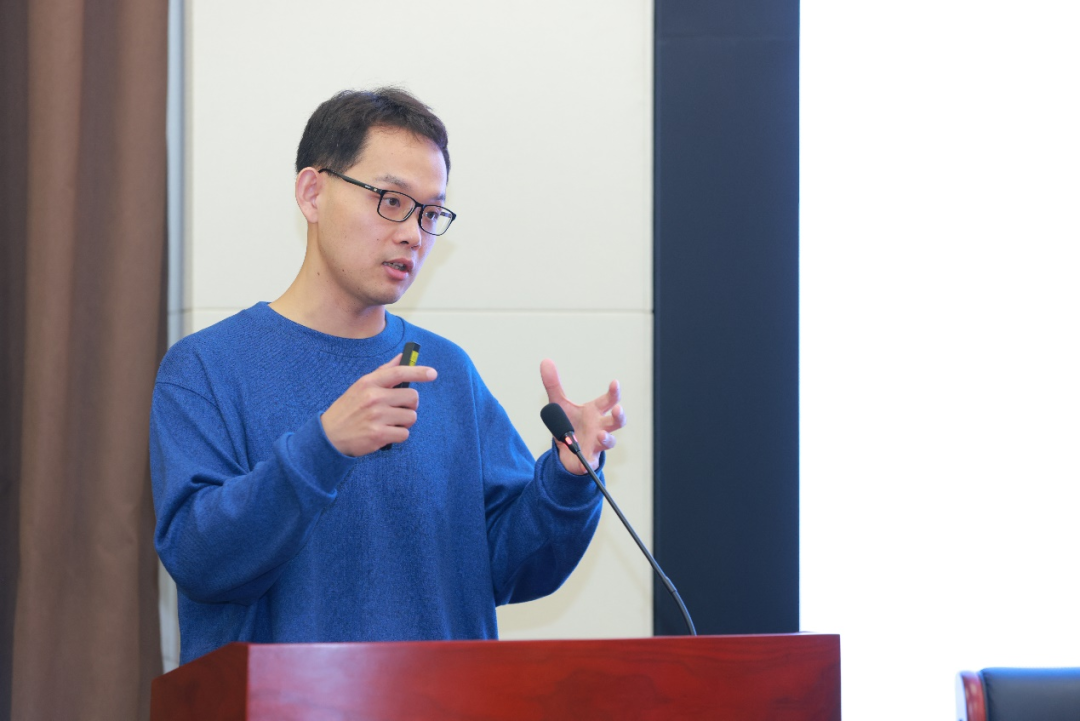
Professor Gu Ke delivered a presentation titled “Current Status and Future Prospects of Cutting-Edge AI Technologies Empowering Urban Development.” He noted that AI capabilities are currently expanding from recognition and prediction to information generation, task reasoning, and tool use. The key to urban applications, he said, is to integrate models into specific operational processes so that perception, analysis, and action form a closed feedback loop. Drawing on application scenarios including large models for government services, vehicle-road-cloud coordination, urban lifeline systems, flood prediction, healthcare, and education, he assessed the current situation and noted that large-scale deployment remains constrained by data generalizability, physical constraints, implementation costs, and governance capacity. He emphasized that future efforts should advance the integration of digital twins and world models, embodied intelligence, mechanism integration, and cross-system collaboration, while adhering to principles of trustworthiness, inclusiveness, and sustainability, thereby translating technological performance into stronger governance capacity and better quality of life for residents.
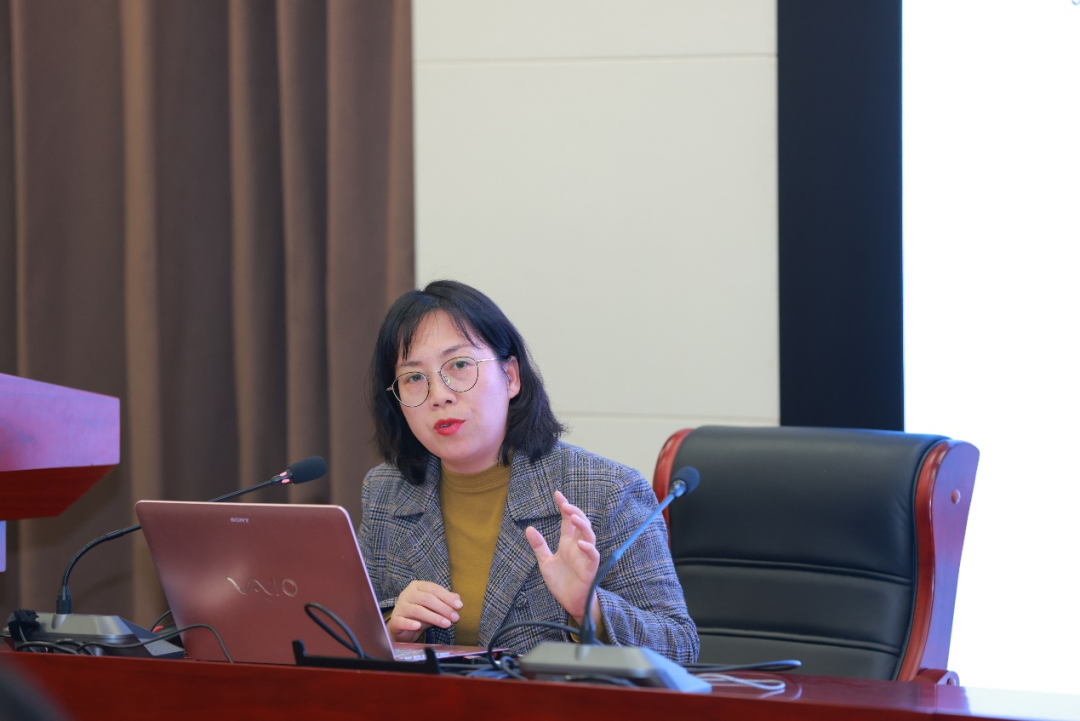
Professor Li Lingjuan delivered a presentation titled “Practices and Reflections on AI-Empowered Development of the Beijing (Beijing-Tianjin-Hebei) International Center for Science and Technology Innovation: A Perspective on AI-Empowered Development of the Huairou Cluster of Major Scientific Facilities.” She noted that major scientific facilities are core instruments in building China into a strong country in science and technology, and that the Huairou Comprehensive National Science Center has entered a new phase focused primarily on operations, requiring AI empowerment to unlock cluster effects. Reviewing the U.S. Department of Energy’s experience with 28 Science User Facilities under a nationwide coordinated system, she highlighted mission-oriented coordination, supercomputing and Energy Sciences Network hubs, the Genesis Mission enhanced by AI capabilities, and the development of a science cloud. She recommended deploying scientific intelligent-computing resources close to major research facilities, establishing dedicated scientific data zones, promoting clustered operation of facilities, and unifying interface standards to support the development of the international science and technology innovation center.
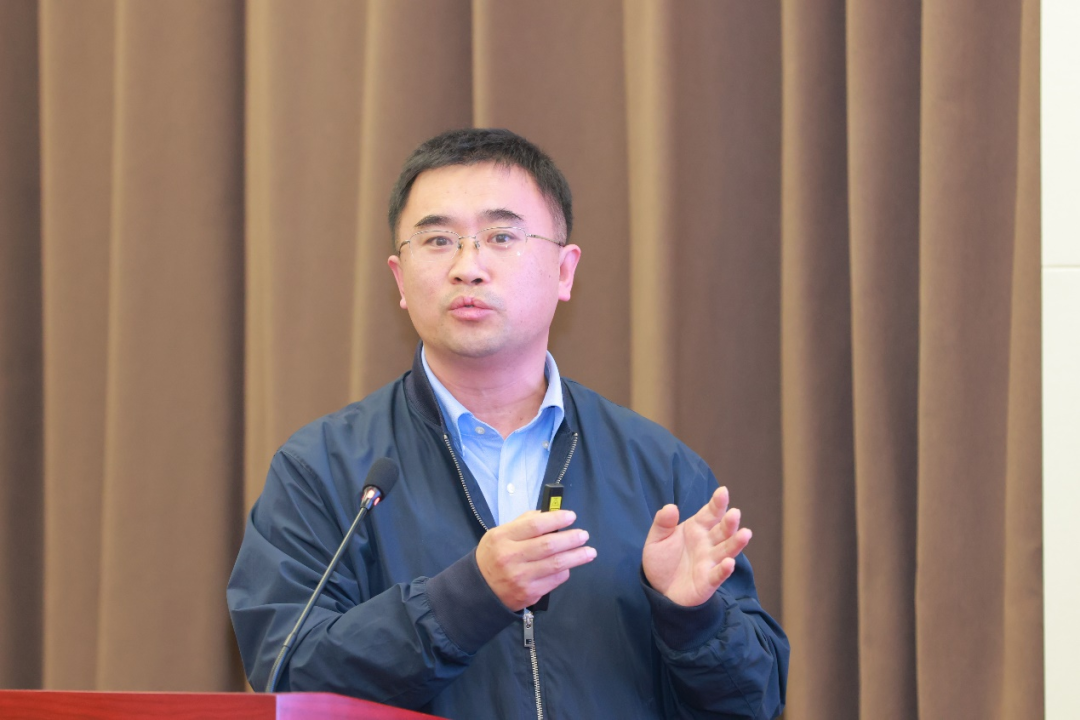
Professor Yang Jidong delivered a presentation titled “An Economic Analysis of Open Deployment of AI in Real‑world Scenarios: An Incomplete‑Contract Perspective.” He noted that scenario-based open access is a key link in driving AI from technological innovation toward a leap in real-world productive capacity; in 2026, Beijing released a list of 240 application scenarios. He argued that scenario-based open access constitutes relationship-specific investment by scenario providers and AI enterprises. Because the two parties cannot define in advance, through a complete contract, the allocation of returns and risk responsibilities, five governance challenges arise, including bilateral underinvestment, misaligned allocation of control rights, and an emphasis on demonstration over large-scale deployment. He recommended breaking through deep-seated institutional barriers; improving mechanisms for allocating residual control rights, dynamic adjustment, differentiated authorization, and incentives for large-scale application; and establishing a contractual governance system that balances the interests of multiple stakeholders with technological diffusion.
The symposium featured three parallel sub-forums: “Research on Optimizing Modern Urban Systems in the Digital-Intelligent Era,” “Transformation of Urban Development Drivers and Cultivation of New Quality Productive Forces in the Digital-Intelligent Era,” and “AI-Empowered High-Quality Urban Governance and Smart City Development.” Participating scholars engaged in in-depth discussions on topics including the optimization of urban systems in the digital-intelligent era, the cultivation of new quality productive forces, and smart city governance.
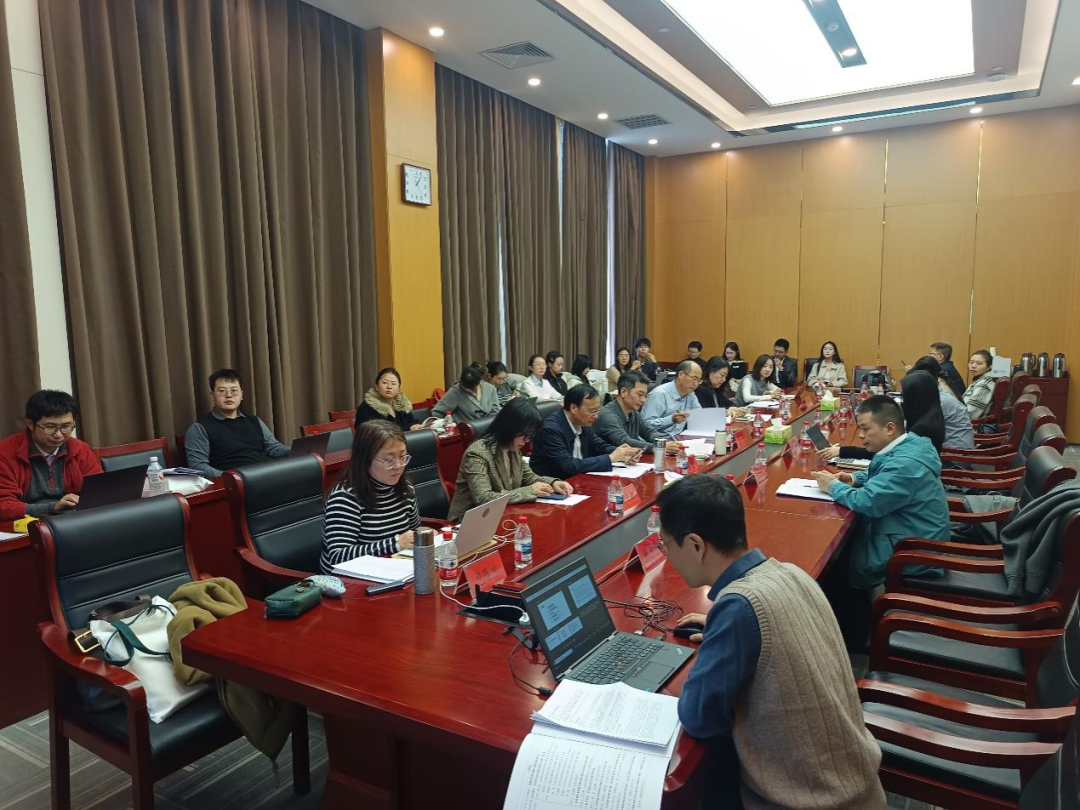
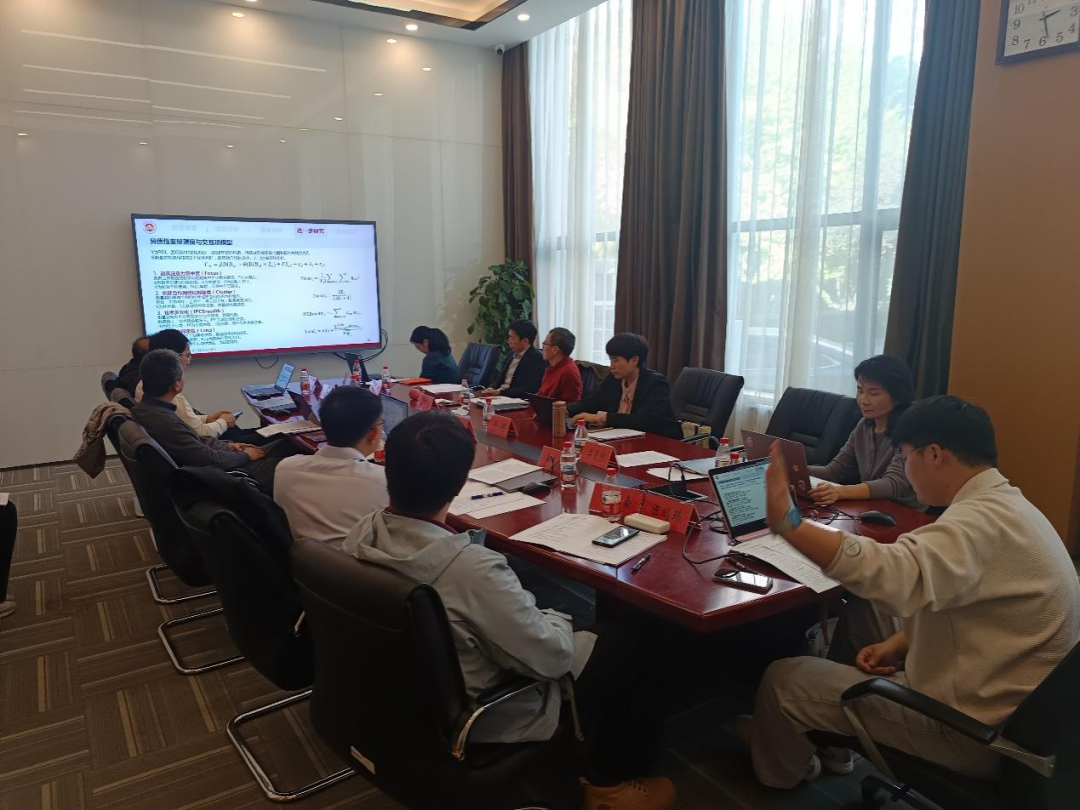
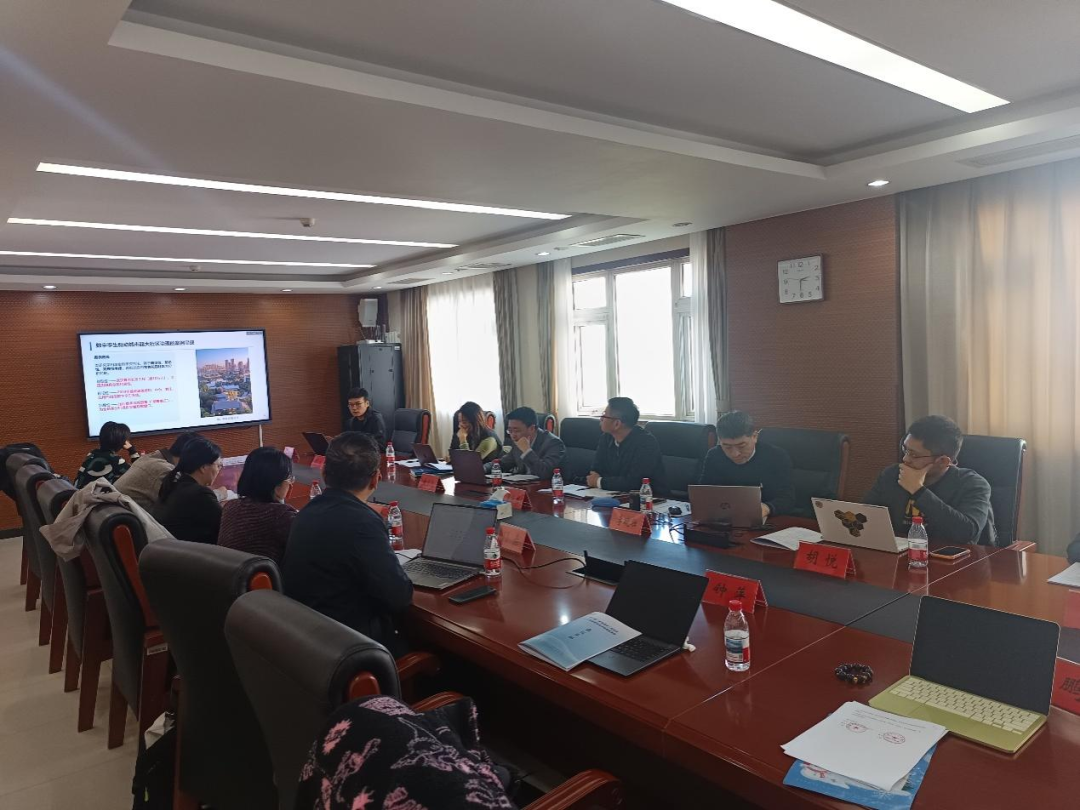
Participating experts agreed that the symposium, guided by General Secretary Xi Jinping’s important remarks on artificial intelligence and urban development, upheld the principle that “people’s cities are built by the people and for the people.” Focusing closely on the core theme of “Empowering High-Quality Urban Development with Artificial Intelligence” and set against the backdrop of a new round of scientific and technological revolution and industrial transformation, the symposium proceeded through a logical progression from shifts in civilizational paradigms to technological scenario empowerment and the restructuring of urban governance. It integrated theoretical interpretation, practical review, and institutional innovation, establishing a high-level platform for interdisciplinary, cross-sectoral, and cross-regional academic dialogue and achieving deep integration between cutting-edge technological research and the practical governance of the capital. Participating experts called for using the symposium as a new starting point to further strengthen the “Future Cities” academic exchange brand, improve regular dialogue mechanisms, and promote the translation of interdisciplinary collaborative research and symposium outcomes into policy solutions and greater governance effectiveness. In this way, intelligent technologies can better respond to public expectations and enhance people’s well-being as we work together to create a brighter urban future.