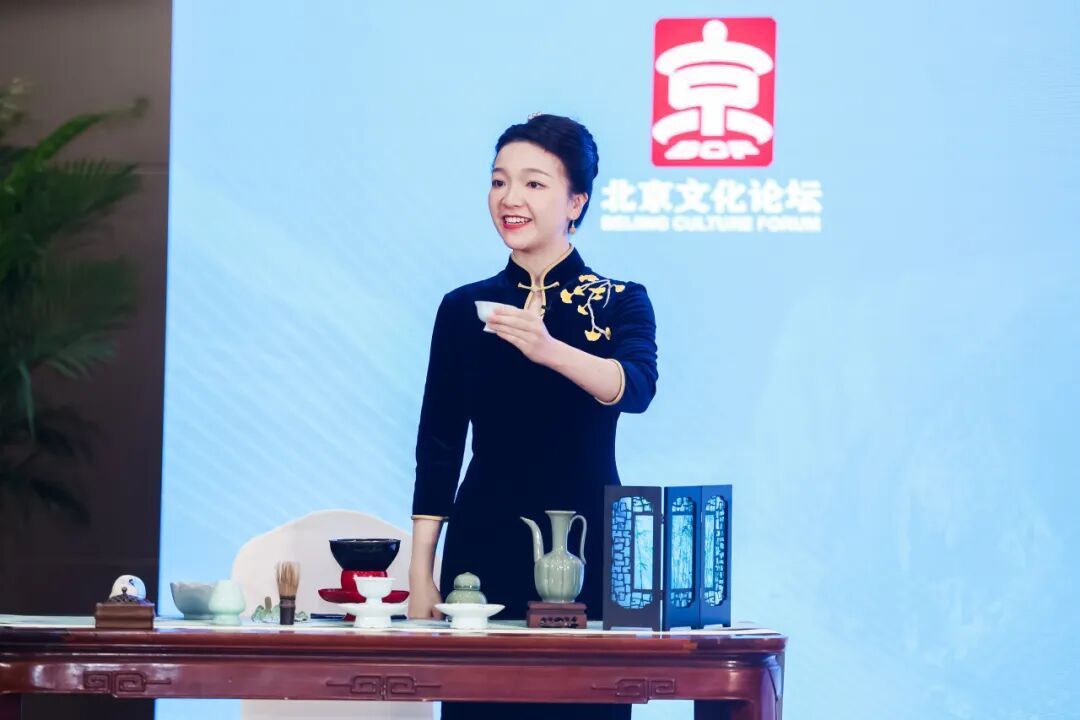
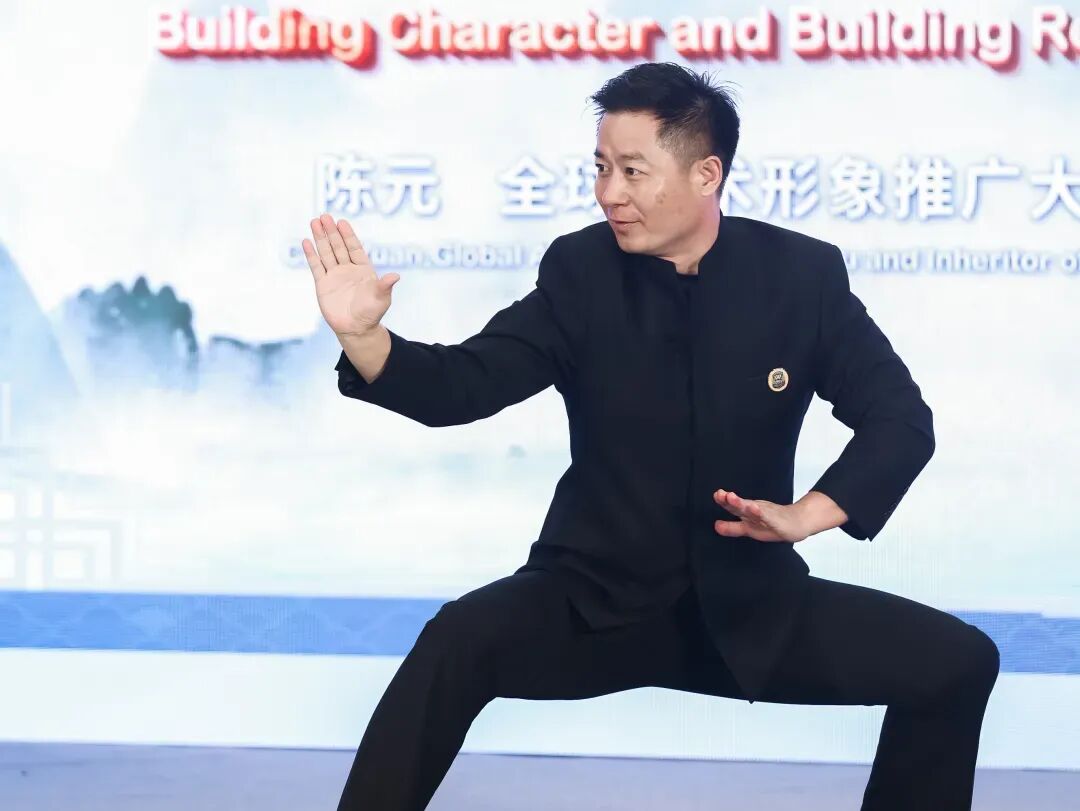
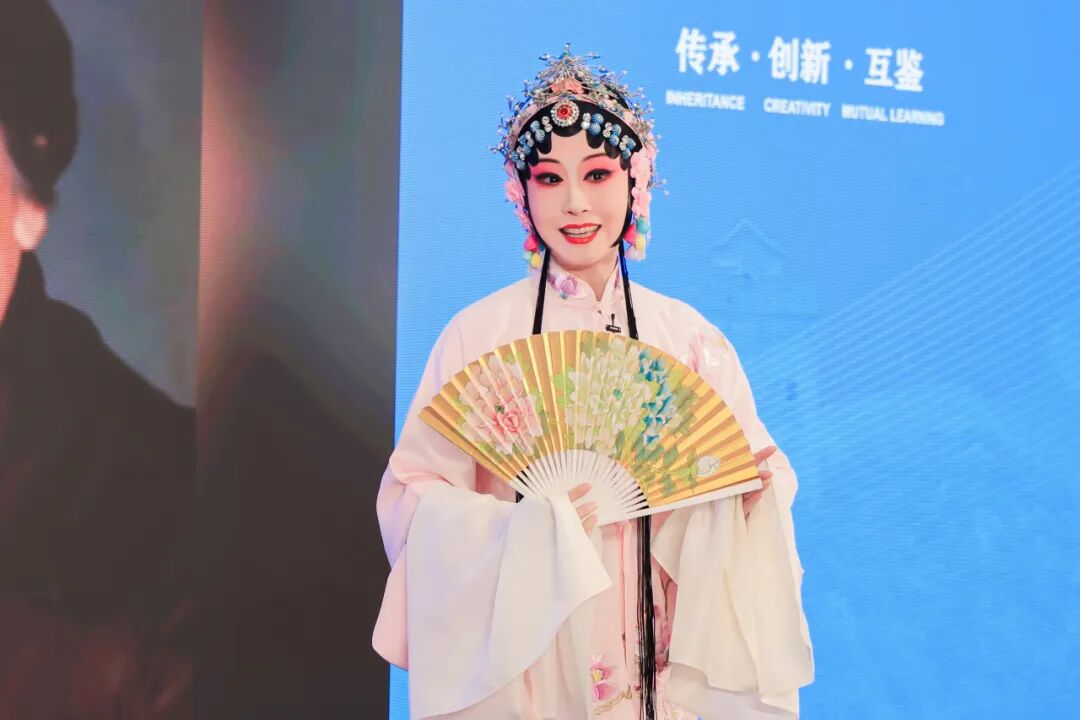
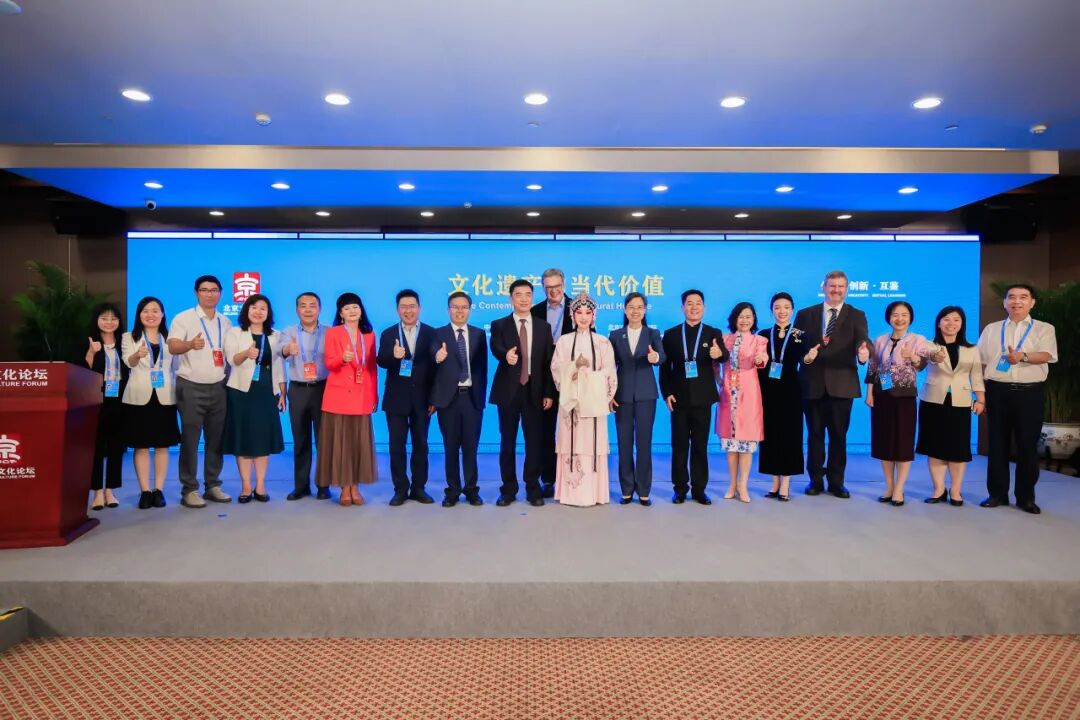
On the afternoon of September 23, the Beijing Culture Forum themed salon “The Contemporary Value of Cultural Heritage” was held in the Multipurpose Hall of the Beijing Hotel. The salon featured a special segment of presentations and demonstrations by intangible cultural heritage inheritors. Three speakers—Yang Shiwen, a National First-Class Tea Art Specialist; Chen Yuan, Global Wushu Image Promotion Ambassador and inheritor of the intangible cultural heritage (ICH) of Wubuquan (Five-Step Fist); and Zhou Haolu, a First-Class Performer at the Northern Kunqu Opera Theater—gave an engaging presentation combining demonstrations of tea art, martial arts, and Kunqu opera. Drawing on their personal experiences, they shared stories of cultural transmission and vividly illustrated that cultural heritage is not an exhibit sealed away in a museum, but a living ecosystem that can be experienced, learned, participated in, and shared. It is a spiritual gene flowing through the veins of the Chinese nation. This enabled participants, while engaging with academic reflection, to immerse themselves in the charm of Chinese culture and experience an organic integration of academic discussion and aesthetic appreciation.
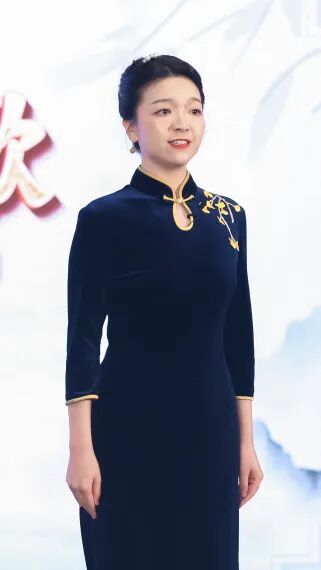
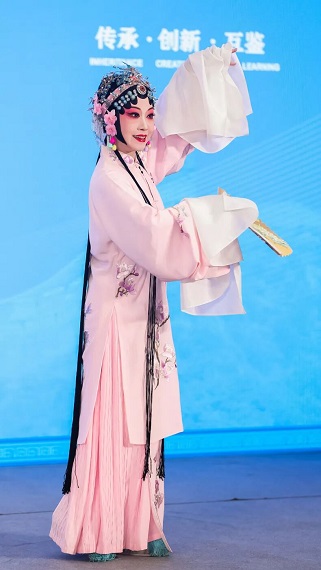
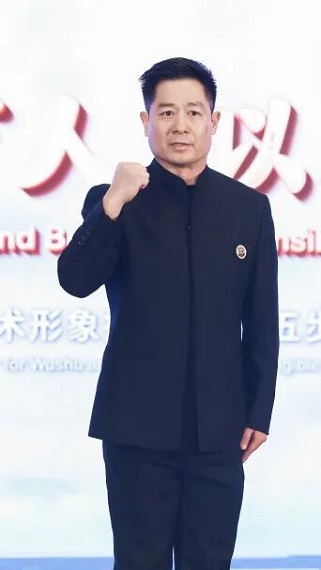
The Chinese tea culture showcase and the Five-Step Fist both represent traditions that have been passed down for more than a thousand years since the Tang Dynasty. The grace and elegance of Chinese tea art and the vigor and strength of the Five-Step Fist, one embodying stillness and the other movement, complemented each other beautifully. Together, they vividly demonstrated the spirit of China’s outstanding traditional culture: celebrating tea and fostering friendship through tea; using martial arts to educate and cultivate people and, more importantly, to foster a sense of responsibility; and embracing the broad-minded pursuit of exchanges and mutual learning among civilizations and pursuing harmonious progress together. The presentation reached its climax with “A Stroll in the Garden” from The Peony Pavilion, an excerpt from Kunqu opera, an art form with a history of some 600 years that has been listed as a UNESCO Intangible Cultural Heritage of Humanity. The performance vividly portrayed the artistic journey of three generations of a Kunqu family devoted to both preserving tradition and innovative development.
Outstanding performances showcase the long and enduring legacy of China’s outstanding traditional culture
The Fragrance of Tea, Like a Song
Hello everyone! My name is Yang Shiwen, and I am a National First-Class Tea Artist.
Eleven years ago, I entered a tea art class. On the first day, however, I did not see any tea leaves. The teacher only taught us tea ceremony etiquette. I spent an entire semester just practicing the standing posture. Only after we had learned the etiquette did the teacher begin to teach us how to brew tea. We started with the double-cup method for oolong tea and then moved on to brewing old Beijing gaiwan tea. Only then did I realize that brewing tea is not as simple as I had imagined. Different teas require different water temperatures, different utensils, and different steeping times. Even the person brewing and drinking the tea—if their state of mind differs—can taste a different flavor. The teacher said, “Only with a quiet mind can one brew good tea. People drink tea when their hearts are thirsty.”
Becoming a qualified tea artist is no simple matter. Only by studying and understanding tea culture can one use a cup of clear tea to convey the lasting charm and unique beauty of Chinese culture. Tang-style pan-frying, Song-style whisking, Ming and Qing-style steeping… A single cup of tea carries thousands of years of Chinese civilization. From the 6th century onward, Chinese tea gradually spread across the world via the Silk Road and the Ancient Tea Horse Road, a journey spanning nearly 1,500 years. Tea has become a popular and healthy beverage enjoyed by more than 3 billion people in over 160 countries and regions. Dr. Joseph Needham, the renowned British historian of science, said, “Tea is the fifth great invention China has contributed to humanity.” In 2022, “jasmine tea-making techniques” were inscribed on UNESCO’s Representative List of the Intangible Cultural Heritage of Humanity, and jasmine tea is also deeply loved by international friends.
In May 2024, I took part in the “Hello Beijing—When Coffee Meets Tea” tasting event held in Rome, Italy. I wore Song dynasty attire. The Jian ware tea bowls, tea whisks, and ewers on the tea table—tea utensils representing Song dynasty tea culture—made the guests feel as if they had traveled back to the Song dynasty a thousand years ago. Tea froth art also amazed the guests with the refinement of Song dynasty whisked tea culture. After they tasted the tea, I shared the Song dynasty hand salute with them on site. As the event reached its climax, we served a Jasmine Macchiato specially created for this visit to Italy.
“Jasmine” comes from Beijing jasmine tea. It not only represents traditional Chinese tea culture but also symbolizes freshness, elegance, and purity. “Macchiato” comes from a classic Italian coffee, representing the richness of coffee and the creaminess of milk foam. In Italian, “Macchiato” means “marked” or “stained,” suggesting that everyone would leave this cultural exchange with a shared memory. We used the foam from Song dynasty whisked tea in place of the milk foam in a traditional macchiato. On the palate, the fragrance of tea and the richness of coffee formed a striking contrast, yet they brought out the best in each other. We found the perfect balance between Chinese and Italian cultures. This Chinese flavor, rich in culture, history, and sentiment, drew unanimous praise from the guests. An Italian senator said, “After seeing today’s tea art demonstration and tasting the Jasmine Macchiato, I really want to visit China!”
What was especially interesting was that the international guests also imitated me and gave a hand salute to everyone, doing their best to express mutual friendship. Everyone present was moved.
(Walking to the tea tray and whisking tea) A cup of “Chinese tea” is first savored for its color, aroma, and taste, and then for its spirit and vitality. The fragrance of tea lingers; culture flows on; sentiment endures.
Today, with tea as my song, I offer a melody of High Mountains and Flowing Water, wishing the world greater exchange and mutual learning among civilizations and harmonious progress!
Today, with tea as my friend, I present a cup of clear tea and elegant charm, wishing every guest good health year after year, and enduring happiness and long life!
(With guzheng accompaniment, High Mountains and Flowing Water)
Educating Through Wushu; Shouldering Responsibility Through Wushu
Hello everyone. My name is Chen Yuan. I am a Global Wushu Image Promotion Ambassador and an inheritor of the intangible cultural heritage of Five-Step Fist.
Do you know what Wubuquan is? It dates back to the Tang Dynasty and has a history of more than a thousand years. It consists of five steps: the bow stance, the horse stance, the empty stance, the resting stance, and the crouch stance. Chinese Wushu is loved by Chinese people and foreigners alike. It is known as "Chinese Gongfu." Do you know why I love Wushu so much? When I was six, the film Shaolin Temple made me fall in love with Wushu at first sight, and from then on I embarked on the path of practicing Wushu.
At thirteen, I entered a national sports school, where I systematically trained in Wushu and Sanda. At fourteen, I won the national Sanda championship in the 52 kg category and became a National First-Class Athlete. At eighteen, I entered Shanghai University of Sport to train systematically in Sanda and strive for a world championship. But in 2003, when I was nineteen, I suffered a devastating blow on the ring at the China-Thailand King of Boxing Championship. My opponent was a famous Thai fighter. Young and full of fight, I refused to concede. As soon as I stepped into the ring, I attacked fiercely. But I felt overpowered by my opponent in both strength and speed, and in the second round I was stopped by TKO. As the referee counted, I desperately tried to stand up, but I found that my right leg was broken. I lost that match completely. I spent more than a year recovering in the hospital. The doctor told me, "Young man, you can't compete anymore. If you keep fighting, your leg will be ruined." My mother pleaded with me through tears to retire: "We can do anything else. Why must you do this?" Those days were painful and hard, but I never thought of giving up. Wushu is my life. I had trained for so many years, loved it for so many years, and my country had cultivated me for so many years. Without winning a world championship, I could never admit defeat like that.
Five years later, in 2008, I once again stood on the ring at the Wu Lin Feng King of Boxing Championship. My opponent was again a famous Thai fighter. Before the match, he had studied me. As soon as we started, he launched fierce attacks on my injured right leg and disrupted my rhythm completely. During the break, I touched my injured right leg and thought to myself, “Old friend, in the next round, we must use our finishing move—the axe kick.” When the bell for the third round rang, I pressed forward step by step and pinned him down. At 1 minute and 12 seconds, my opponent showed an opening. I delivered an axe kick, and he went down hard. I won by TKO. As the five-star red flag slowly rose over the arena, tears streamed down my face. From falling in love at first sight at six, to having my dream cut short on the ring at nineteen, to finally winning the championship at twenty-four, this was not only my personal honor but also the spirit of Chinese Wushu shining on the world stage.
After retiring, I served as an instructor for the Special Operations Brigade of the Beijing Armed Police Corps, passing on decades of practical experience to help them safeguard the peace of our home and country. From a professional athlete to an instructor on the front line of policing, my identity changed, but my love for Wushu never did. I have worked at the grassroots level on public welfare, promoting Wushu in schools, so that tens of thousands of primary and secondary school students can feel the charm of Chinese Wushu.
In 2023, I was named a Global Wushu Image Promotion Ambassador. This gave me more opportunities to take part in international cultural exchange. I have represented Chinese Wushu athletes in Thailand and Malaysia, and visited the embassies of the United States, South Africa, and the Democratic Republic of the Congo to promote Chinese Wushu, so that more people can feel its power.
From chasing a dream as a boy, to winning a championship on the ring, from guarding the front line to carrying on cultural heritage, I educate through Wushu and, more importantly, shoulder responsibility through Wushu. Going forward, I will carry this passion and responsibility to ensure that Chinese Wushu continues to be passed down and shared with the world.
The Elegant Charm of China, the Enduring Legacy of Kunqu
Tang Xianzu (Ming Dynasty)
The Peony Pavilion · “Strolling in the Garden”
(The Tune of Zao Luopao)
How crimson and purple blooms have opened everywhere,
Yet all this is left to broken wells and crumbling walls.
For such a fair day and fair scene, what can one do?
In whose courtyard lies such joy of the heart?
Hello, everyone. I am Zhou Haolu, a performer with the Northern Kunqu Opera Theater.
What I just performed for you is an excerpt from the classic Kunqu play “Strolling in the Garden” from The Peony Pavilion. It expresses how, amid a garden full of spring, a young maiden’s youthful awakening is stirred. Kunqu is acclaimed as the highest exemplar of classical Chinese opera and a world-class intangible cultural heritage with a history of six hundred years. Its poetic and picturesque singing, recitation, acting, expressive movement, and dance, together with its evocative and ethereal stage presentation, reveal the aesthetic sensibility and profound cultural depth of the Chinese nation.
For me, Kunqu is encoded in my blood—it is my life’s DNA. I was born into a family of Kunqu artists. My grandfather Zhou Chuanying starred in Fifteen Strings of Cash, which leaders of an older generation praised as “the play that revived a whole opera genre.” From childhood, I watched my grandparents teach and pass on the art and my parents rehearse and perform. At eleven, I passed the entrance exam to an opera school and began formal training. In repertoire class, when the teacher taught “Strolling in the Garden” from The Peony Pavilion, I went home and asked my grandmother why her cloud step was both drifting and steady and why couldn’t I achieve that feeling? Grandma smiled and said, “There are no shortcuts in learning opera. One minute on stage takes ten years of practice off stage. When your skill is truly refined, your performance will have its own nuance.” Grandpa often said, “We must not be prodigals who squander Kunqu; we must pass it down through countless generations.”
I was naturally stiff. At first, I couldn’t even stretch my leg up to the height of a table. After half a year of grueling practice, I ranked first in the leg technique exam, and won my teacher’s approval in the repertoire rehearsal. More than thirty years have passed, and to this day I still practice every morning, constantly honing my professional skills. Under the personal instruction of masters inside and outside the field, the little girl who once turned the cloud step into a split and sobbed from pain during training has now grown into a National First-Class Actress who has starred in many major productions. Once, after watching my performance, Grandma finally nodded: “Your cloud step is starting to look right!”
To better pass on Kunqu, I also devoted myself to research, published a reference book on the phonology and rhyme of traditional opera, and served as head of the Creation and Research Center. Volume on Zhou Chuanying written by me was included in the 14th Five-Year Plan key publications-Series of Studies on Kunqu Artists of the 20th Century and was collected by Heidelberg University Library.
To promote Kunqu more widely, over the years I have given more than 500 Kunqu lectures in China, abroad, and online. The comment I hear most often from audiences is: “Because of Ms. Zhou, I fell in love with Kunqu and am willing to become a promoter of traditional culture!”
(live interaction and demonstration)At this point, let me teach you a few movements. Please raise your right hand: this is 9, 2, 3, 10; this is called the “praise finger”gesture. Let’s string them together: On September 23, the Beijing Culture Forum is being held here, with honored guests filling the hall and a wonderfully harmonious atmosphere. Wonderful! (pause) A thumbs-up to everyone!
Choose one pursuit and devote a lifetime to it. The lingering charm of Kunqu endures; three generations carry it forward. I will “follow the rules of the ancients while opening up my own new ground,” preserving the roots and soul of Kunqu while bringing a contemporary vision and breadth to it, so that this Chinese elegance, passed down for centuries, may flourish forever and unite past and present.
Revitalization and inheritance embody the contemporary value of Xi Jinping Thought on Culture
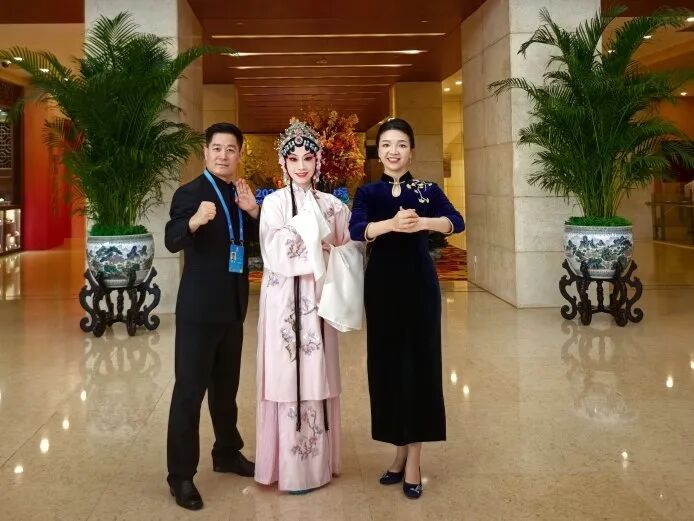
Through their personal practice, the three grassroots speakers vividly demonstrated the profound meaning of Xi Jinping Thought on Culture in “promoting the creative transformation and innovative development of China’s outstanding traditional culture.” With a cup of tea, Yang Shiwen connects past and present, as well as China with the wider world, allowing Chinese tea culture to shine through exchanges and mutual learning among civilizations. From winning championships in the ring to promoting martial arts globally, Chen Yuan uses martial arts to educate and cultivate people and to foster a sense of responsibility, turning this thousand-year-old tradition into a cultural bridge linking China and the world. In addition to performing regularly, Zhou Haolu writes books and offers online courses, giving the elegant traditions of a 600-year-old art form a new voice in the new era. By using grassroots public speaking as a window, the Beijing Culture Forum’s specialized salon makes traditional culture more approachable and accessible and makes cultural confidence something that can be understood and experienced. This vividly demonstrates the contemporary value of Xi Jinping Thought on Culture.
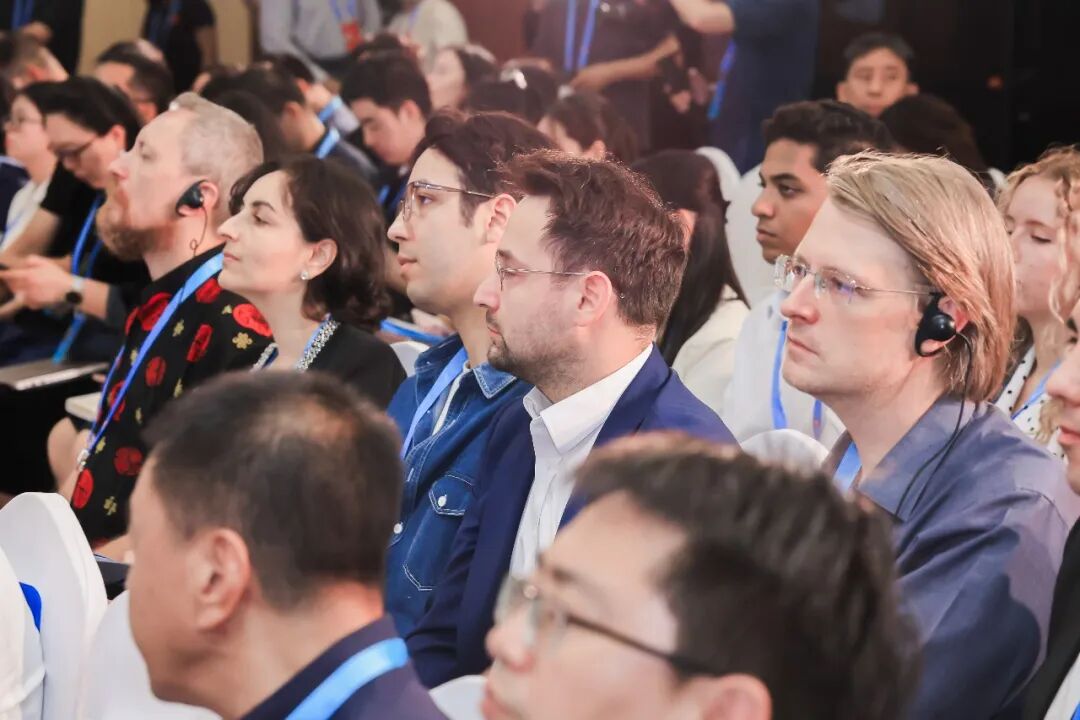
Vivid practice illustrates the innovative development of cultural heritage
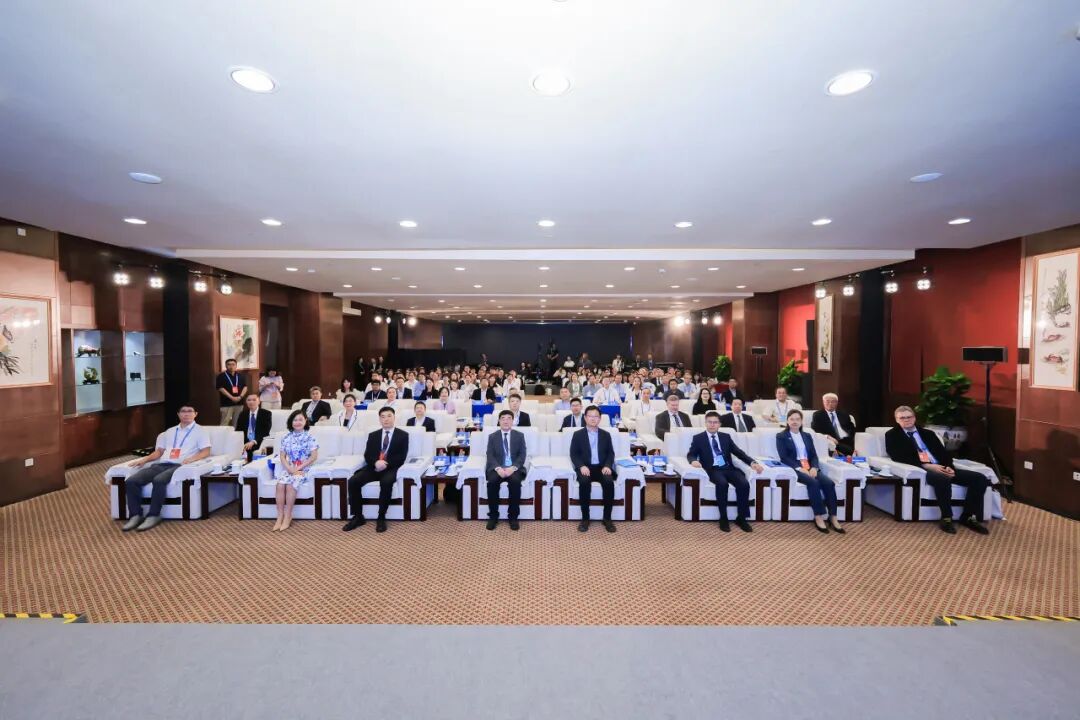
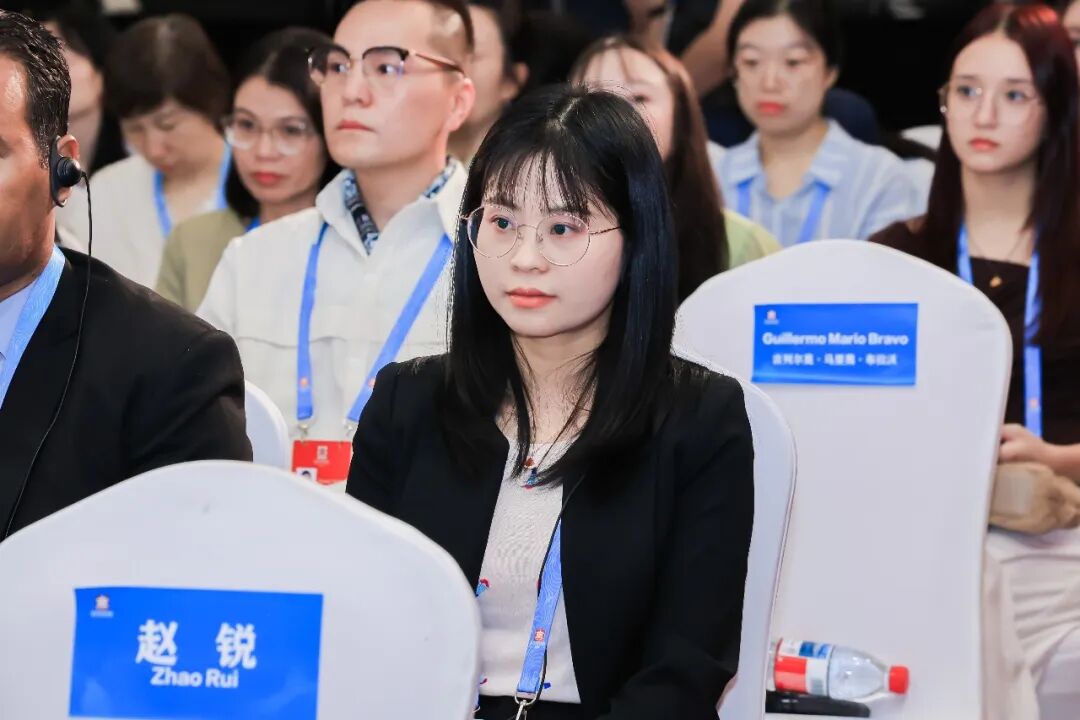
From tea art to martial arts to Kunqu opera, the three grassroots speakers demonstrate through their own experiences that the vitality of cultural heritage lies in innovation and in moving in step with the times. Yang Shiwen builds friendships through tea and connects China with the wider world. In Rome, her “Jasmine Macchiato” inspired an Italian senator to express a desire to “visit China.” Chen Yuan, recognized as a martial arts promotion ambassador, has brought the martial arts into schools, police units, and onto the world stage. Zhou Haolu has taken heritage transmission classes abroad, publishing reference works on phonology and writing biographies of heritage inheritors to preserve documentary records of Kunqu opera and cultivate a new generation of performers. They are both inheritors and innovators. In their hands, cultural heritage is not a museum exhibit specimen, but a living, growing spiritual gene that resonates with the times. By following the principles of our ancestors while opening up new possibilities of their own, they give heritage a fresh life. As more inheritors engage directly with the people, putting down deep roots and growing upward, China’s outstanding traditional culture will surely shine with even greater brilliance in the new era.

 打印
 收藏