[2026 Beijing Culture Forum] Specialized Salon on “The Contemporary Value of Cultural Heritage” Held in Beijing
 打印
 收藏
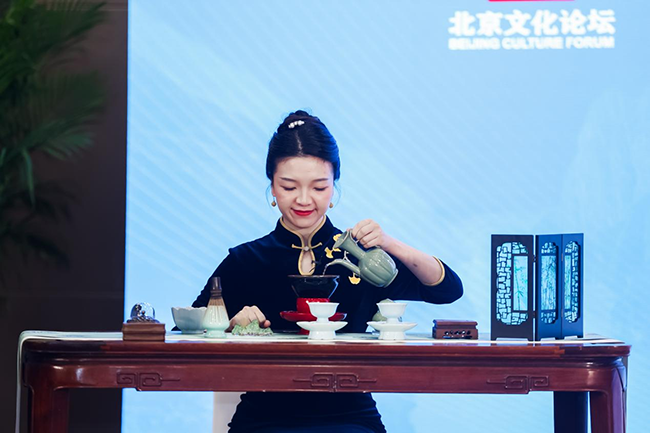
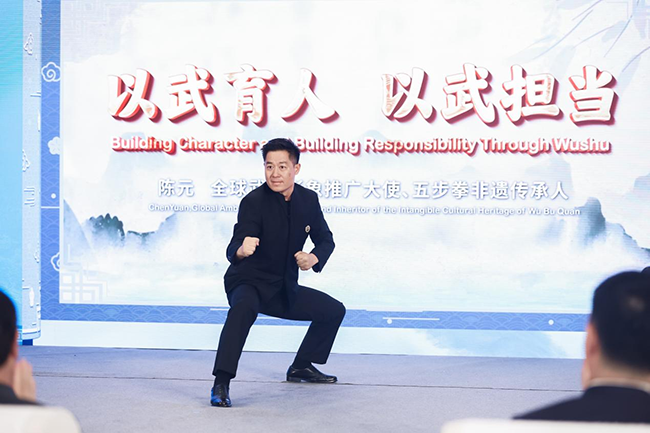
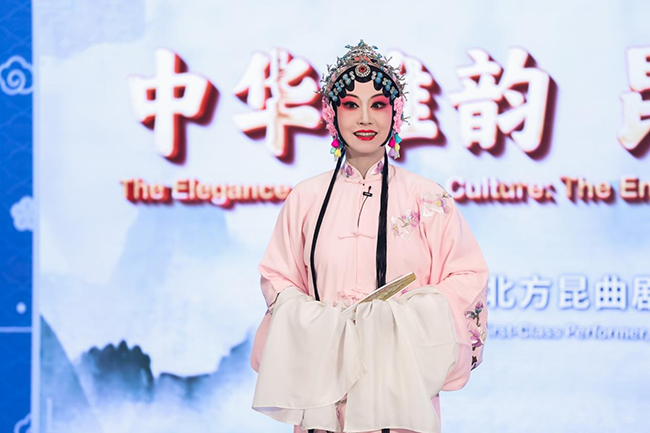
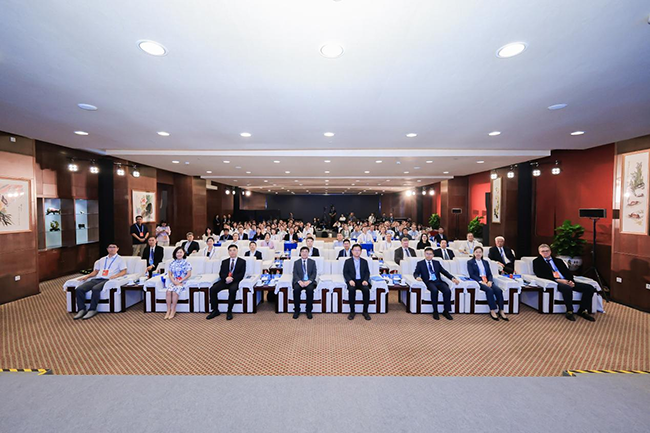
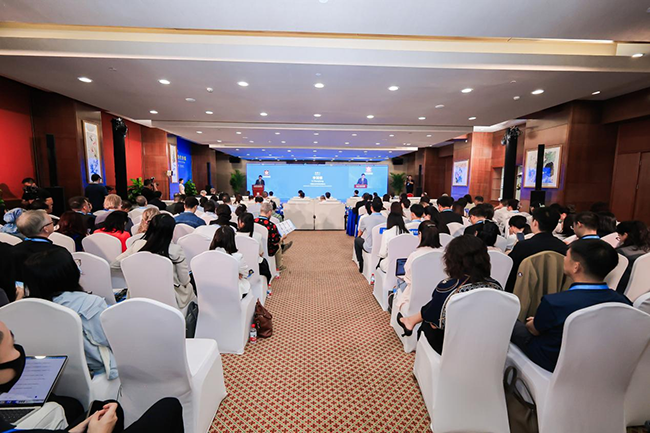
On the afternoon of September 23, the 2026 Beijing Culture Forum Specialized Salon on “The Contemporary Value of Cultural Heritage” was held in Beijing. The salon was hosted by the Chinese Academy of Social Sciences and organized by the Beijing Academy of Social Sciences. Seven experts and scholars from China and abroad, representing the University of Macau, Inner Mongolia University, Beijing Union University, the Beijing Academy of Social Sciences, the Institute of Archaeology of the Chinese Academy of Social Sciences, Nottingham Trent University in the United Kingdom, and the Beijing Tsinghua Tongheng Urban Planning & Design Institute, delivered keynote speeches in turn. A nationally certified Tea Art Specialist, intangible cultural heritage inheritors, and performers from the Northern Kunqu Opera Theater presented traditional cultural performances. More than 100 participants attended the event, including relevant officials from the Publicity Department of the CPC Central Committee, the Chinese Academy of Social Sciences, and Guangming Daily, as well as experts, scholars, and young students from international organizations, universities across China, and the social science academies.
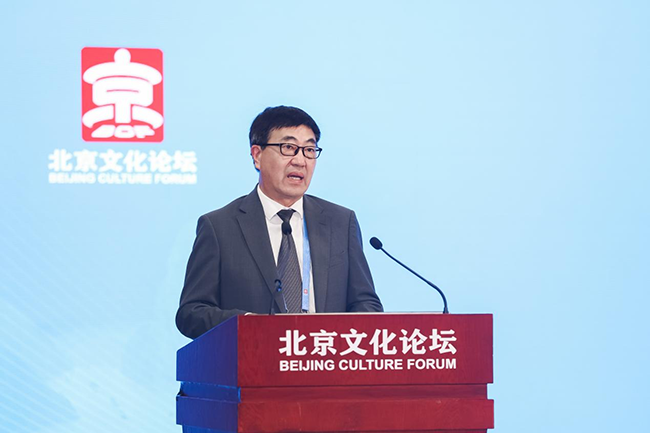
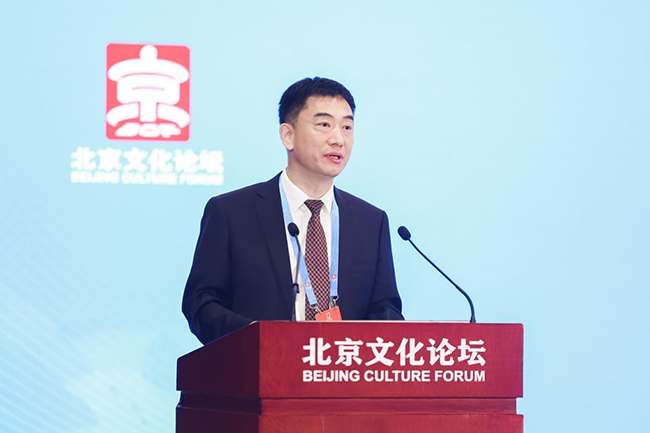
Research Fellow Li Guoqiang, Member of the Academic Division of the Chinese Academy of Social Sciences, and Professor Xie Hui, Secretary of the Party Leadership Group of the Beijing Academy of Social Sciences, chaired the first and second halves of the salon, respectively. The participating experts engaged in in-depth discussions on how to understand, from theoretical and cognitive perspectives, the possibility and necessity of exchanges and mutual learning among human civilizations and establish an independent narrative subjectivity; how to promote a shift in the conservation paradigm from an “object-centered” to a “people-centered” approach and draw on China’s institutional experience to provide practical pathways for reference; and how to transform the historical value of cultural heritage into momentum for contemporary development and capacity for cross-cultural communication.
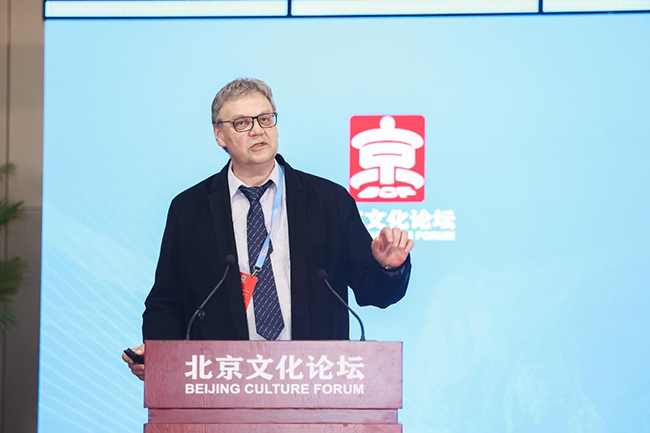
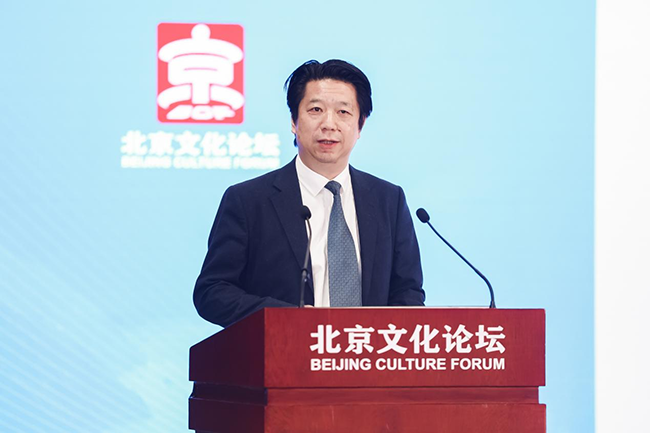
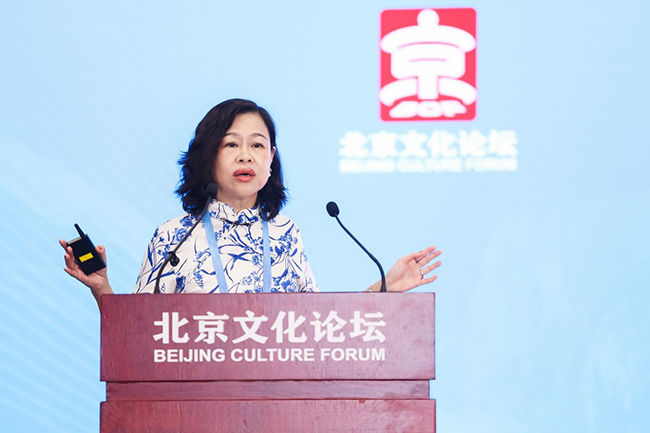
Clarifying the concept of cultural heritage and strengthening the foundations of global narratives of civilization. Kirill Solonin argued that human civilization embodies both commonality and diversity. The fundamental characteristics shared by humanity provide the basis for dialogue and mutual learning among different civilizations. Civilizations are like different branches and leaves growing from the same tree: although each has its own distinctive features, they share common roots. This provides a conceptual foundation for the contemporary global narratives of ancient civilizations. Reflecting on a century of Chinese archaeology, Shi Jinsong noted that archaeology has both regional and global dimensions and that China’s rich World Cultural Heritage contributes to the diversity of human civilization. Archaeology in the new era, he argued, should integrate more closely with history, examine source materials in greater depth, innovate theories and methods, and work collaboratively to build a more multidimensional and comprehensive picture of global civilizational history. Lin Yufeng then brought the discussion into the digital context, noting that AI produces the dual effects of “being written” and “being forgotten”: high-quality heritage narratives can transcend language barriers to reach global audiences, while misinformation can likewise be captured by AI and replicated and disseminated on a massive scale. She emphasized that cultural heritage is not merely a legacy of the past, but also the foundational corpus for machine-generated narratives. Only by developing a complete and independent heritage narrative can authentic civilizational memory be safeguarded. Participants shared the view that the value of heritage depends first and foremost on whether we can tell our stories clearly, accurately, and in our own voice. Particularly today, as AI reshapes the mechanisms of information production, narrative sovereignty has become a new dimension of cultural heritage security.
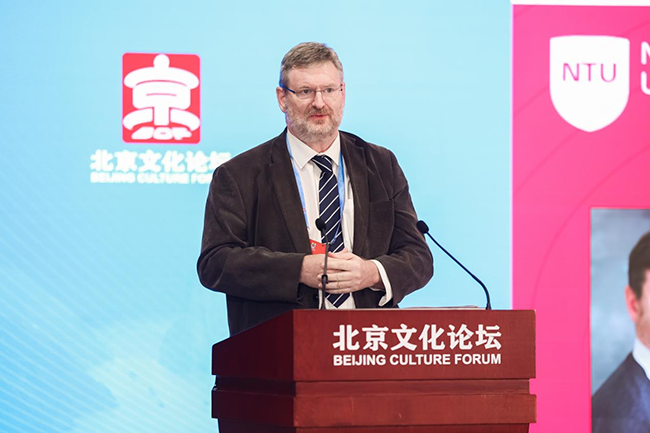
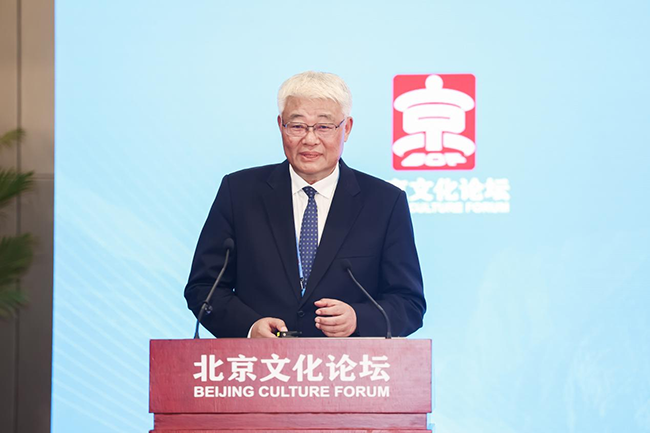
Promoting shared participation in conservation and governance, advancing paradigm transformation alongside China’s experience, and exploring a “grand collaboration” framework for cultural heritage. John Neville Stankley called for a fundamental transformation in the conservation paradigm: cultural heritage should not be understood as a static object, but as a dynamic and shared process of social practice. Conservation should shift from “object-centered” material preservation to “people-centered” sustainable management, fully enabling communities to play an active role and creating new pathways for public participation in heritage transmission. Drawing on four decades of field archaeology, Lei Xingshan systematically summarized China’s experience through three main approaches: top-level institutional design, evidence-based archaeological exploration, and systematic and holistic conservation. Through major projects, legal safeguards, archaeology at major heritage sites, and diverse forms of living presentation, China has developed a “Grand Collaboration” model of Conservation that can provide a practical reference for other countries with ancient civilizations. Participants broadly agreed that the focus of conservation has expanded from “objects” to “people and processes,” while responsibility for conservation has expanded from professional institutions to broader social collaboration. China’s institutional strengths and tradition of evidence-based archaeological research provide practical organizational and technical support needed for this transformation.
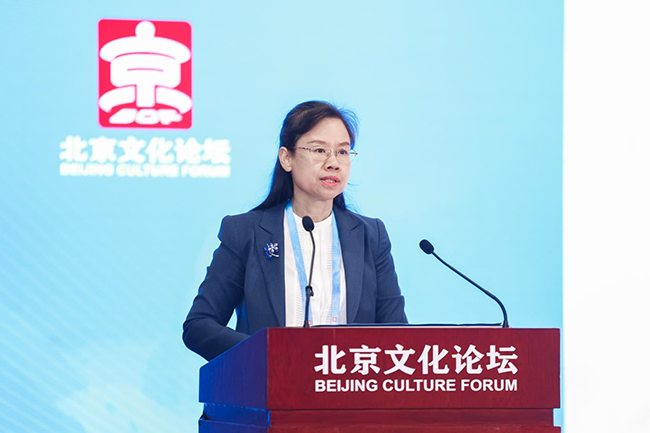
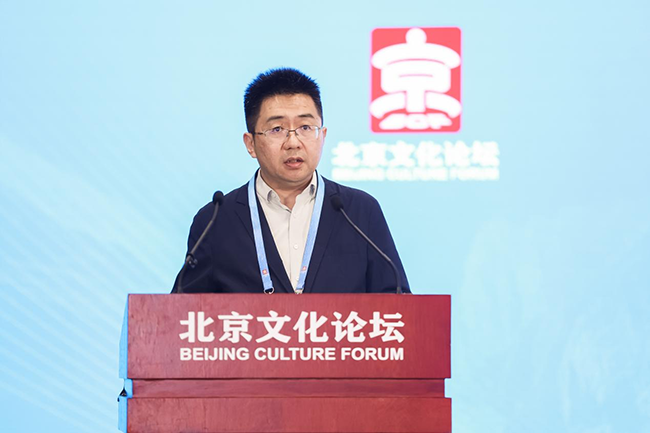
Realizing and transforming the value of heritage depends on revitalization—using heritage to empower contemporary development and promote exchanges and mutual learning among civilizations, while ensuring coherence among value interpretation, urban renewal, and international communication. He Yalan identified the four dimensions of the value of Beijing’s historical and cultural heritage: its value as a complete and continuous historical reference; its urban cultural value in reflecting diversity within unity; its practical value in empowering the capital’s high-quality development; and its international communication value in promoting exchanges and mutual learning among civilizations. Beijing today embraces a spirit of “continuity and renewal”: drawing strength from carrying forward its cultural heritage and opening up the future through revitalization and transmission. In doing so, it is forging a path of capital-city modernization that organically integrates tradition and modernity, and contributes Beijing’s wisdom and Chinese solutions to the advancement of human civilization. Drawing on several neighborhood renewal cases, Huo Xiaowei examined the underlying logic through which heritage can revitalize cities. With its distinctive sense of place, historical atmosphere, and cross-cultural appeal, heritage can enhance cultural, economic, social, and environmental vitality and enable heritage resources to contribute to urban renewal. Lin Yufeng noted that once a high-quality narrative has been established, AI can help it transcend language barriers and reach global audiences, making heritage an effective vehicle for international communication. Heritage is not a cost or a burden on development, but rather a strategic resource for improving urban quality, upgrading industries, and bringing Chinese culture to wider international audiences. The key to realizing its value lies in “revitalization” and “translation”—translating historical information into contemporary lived experiences and language that can be understood internationally.