
“Million Youths Explore the Motherland: Hong Kong Talents Visit Beijing” — Special Lecture and Exchange Event at the Beijing Academy of Social Sciences Concluded Successfully
 打印
打印 收藏
收藏 On the evening of August 11, the “Million Youths Explore the Motherland: Hong Kong Talents Visit Beijing” —Special Lecture and Exchange Event at the Beijing Academy of Social Sciences was successfully held. Led by Li Ran, Member of the Standing Committee of the Beijing Municipal Committee of the Chinese People’s Political Consultative Conference (CPPCC) and President of the Hong Kong Alumni Association of Beijing Universities, the delegation comprised 37 outstanding young scholars and leading science and technology innovators from 10 renowned universities in Hong Kong. President He Yalan attended the event and delivered remarks, while Xiao Junfeng, Member of the Party Leadership Group and Vice President of the Beijing Academy of Social Sciences and Head of the Lecturer Group of the CPC Beijing Municipal Committee, chaired the event.
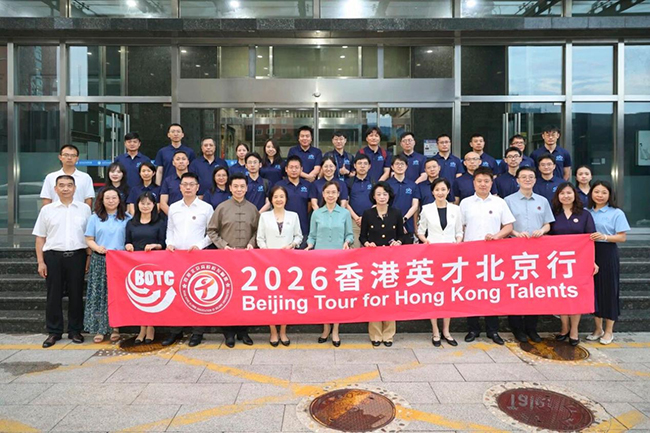
The event marked the implementation of the national key exchange program “Million Youths Explore the Motherland.” It also served as a follow-up visit that deepened our Academy’s Beijing-Hong Kong youth joint lecture, exchange, and co-construction mechanism and built on the outcomes of its lecture tour to Hong Kong in July. The event further consolidated the progress made in implementing the previously signed Beijing-Hong Kong Youth Joint Lecture, Exchange, and Co-Construction Framework Agreement and promoted more regular and in-depth academic exchanges, science and technology innovation cooperation, and youth engagement between Beijing and Hong Kong.
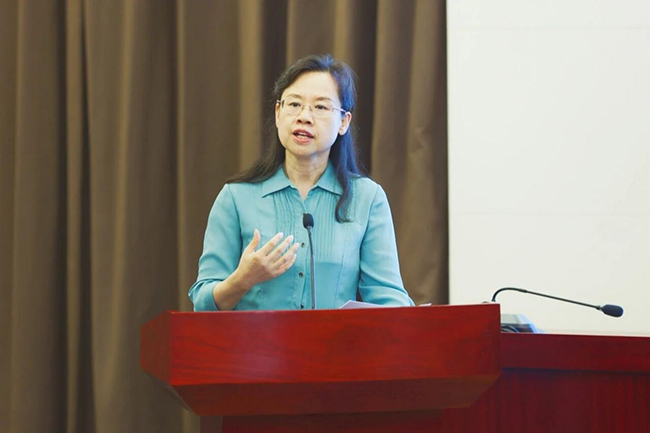
In her opening remarks, President He Yalan provided a systematic overview of the Academy’s role and positioning as a high-end think tank in the capital, its research framework, public outreach platforms, major academic achievements, and the international exchange system. She also extended a warm welcome to the delegation of young talents from Hong Kong. He Yalan noted that a two-way exchange cycle between Beijing and Hong Kong has begun to take shape, from the Academy’s earlier visit to Hong Kong for special lectures and signing of a collaboration agreement to the present reciprocal visit by Hong Kong’s young talents to Beijing for exchanges and mutual learning. She expressed the hope that participants would take this event as a new starting point to become active participants, advocates, and a driving force in Beijing-Hong Kong exchanges and cooperation. She encouraged them to consolidate the achievements of these exchanges, deepen regular cooperation, expand opportunities for innovative collaboration, promote the integrated development of Beijing and Hong Kong, and achieve greater resource sharing, complementary strengths, and mutual benefit.
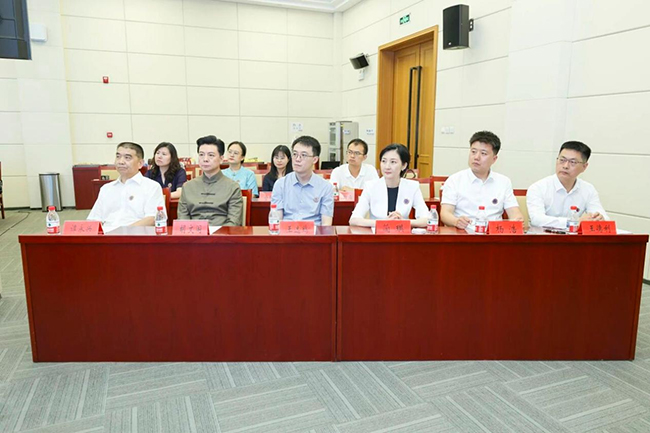
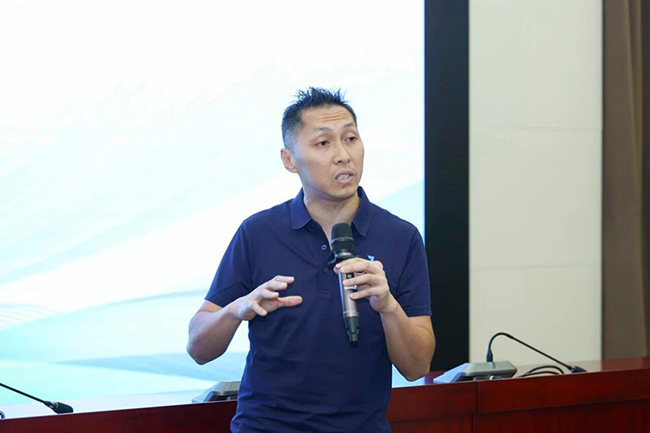
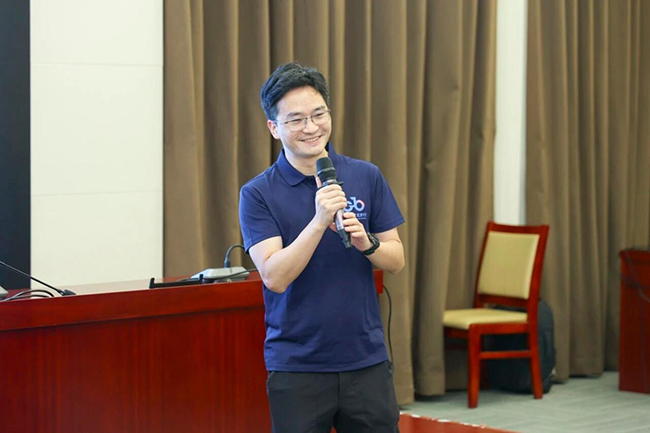
During the thematic presentation and exchange session, five outstanding guest speakers from Beijing shared their insights on a range of fields, including regional economy, cultural heritage, cutting-edge technology, and healthcare and public well-being. Their distinctive presentations offered a comprehensive view of the capital’s high-quality development and innovative vitality in the new era.
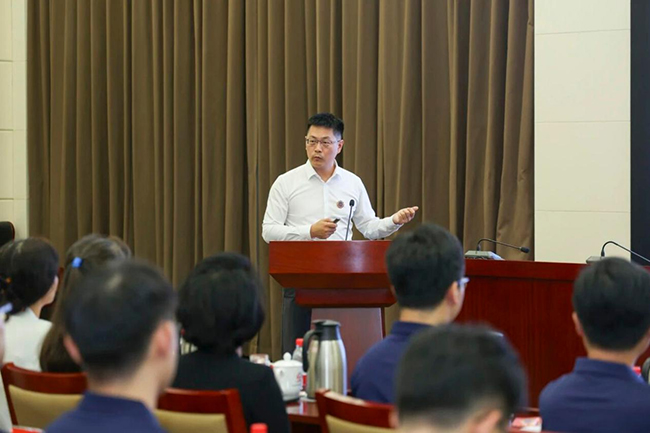
Research Fellow Wang Deli, Deputy Director of the Institute of Economics at our Academy, delivered a presentation titled “Spatial Patterns and Optimization Paths for the High-Quality Development of China’s Metropolitan Areas.” Drawing on major national strategies for regional development, he systematically explained the development logic of metropolitan areas and provided an in-depth analysis of Beijing’s strengths in industrial layout and its development potential, offering think-tank insights to support coordinated development between Beijing and Hong Kong.
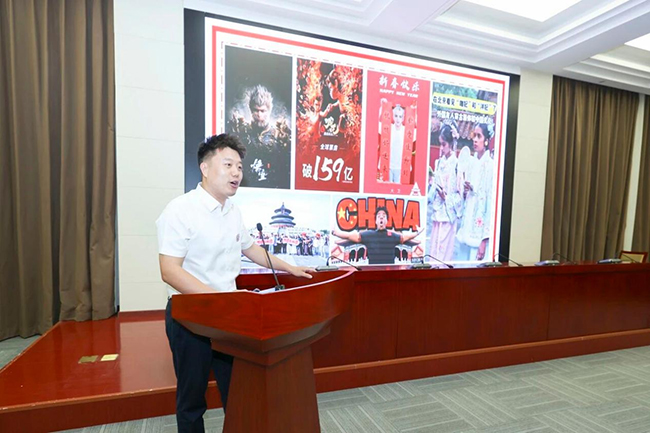
Assistant Researcher Yang Hao of the Institute of Marxism delivered a presentation titled “The Cultural Foundations and Contemporary Expression of the Flourishing Guochao(China Chic) Trend.” He explored the rich foundations of China’s outstanding traditional culture, interpreted the innovative expressions of Guochao culture in the new era and the cultural essence of Beijing’s “One City, One Axis, Three Belts,” and explained the important role of cultural confidence in empowering urban development, nurturing young people, and strengthening cultural identity between Beijing and Hong Kong.
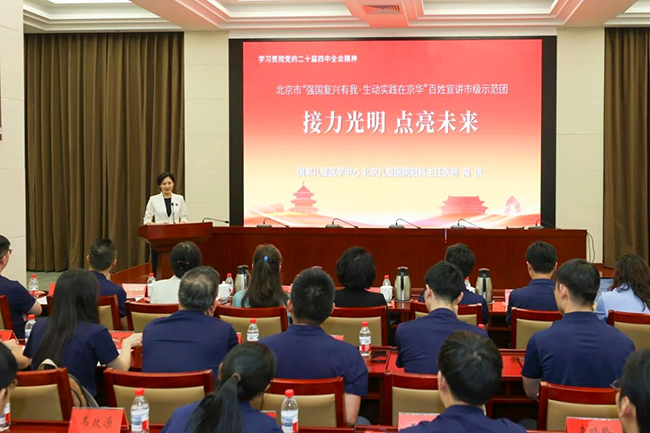
During the session showcasing achievements in cutting-edge scientific and technological innovation and cultural heritage, Lin Qi, Chief Physician of the Department of Ophthalmology at the National Centre for Children’s Health and Beijing Children’s Hospital, delivered a thematic presentation titled “Passing on the Light, Illuminating the Future.” Drawing on frontline experience in pediatric ophthalmology, she shared heartwarming stories of the capital’s medical charity initiatives, technological innovations, and efforts to safeguard the healthy growth of children, highlighting Beijing’s commitment to people’s well-being and the dedication of its medical professionals.
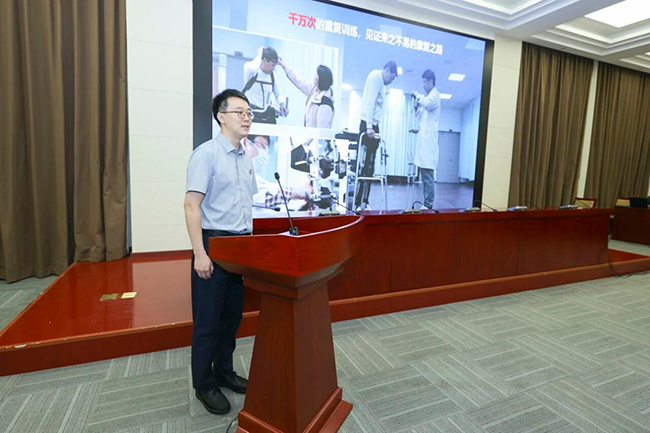
Wang Yihe, an attending physician in the Department of Neurosurgery at Xuanwu Hospital of Capital Medical University, delivered a presentation titled “Brain-Computer Interfaces: Rebuilding the Bridge to Life.” Focusing on cutting-edge life sciences and advanced brain-computer interface technologies, he shared the latest research and clinical application achievements in Beijing’s medical field, including the use of independently developed Chinese brain-computer interface technology to help patients with spinal cord injuries stand and walk again, thereby showcasing Beijing’s strong capabilities in scientific and technological innovation.
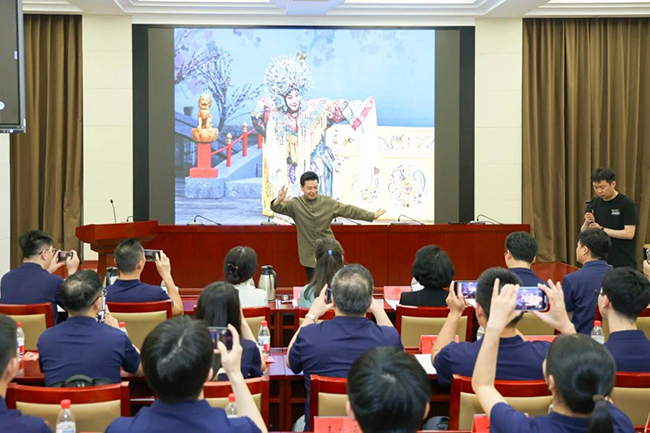
Hu Wenge, a leading performer with the Beijing Peking Opera Theatre and a third-generation male inheritor of the Mei School specializing in female roles, delivered a presentation titled “Pear Blossoms in a Prosperous Era Sing My Heart.” Using Peking Opera, one of China’s most celebrated traditional art forms, as the medium, he vividly recounted stories of the inheritance and innovation of traditional opera and conveyed the enduring appeal of Chinese cultural heritage and cultural confidence in the new era.
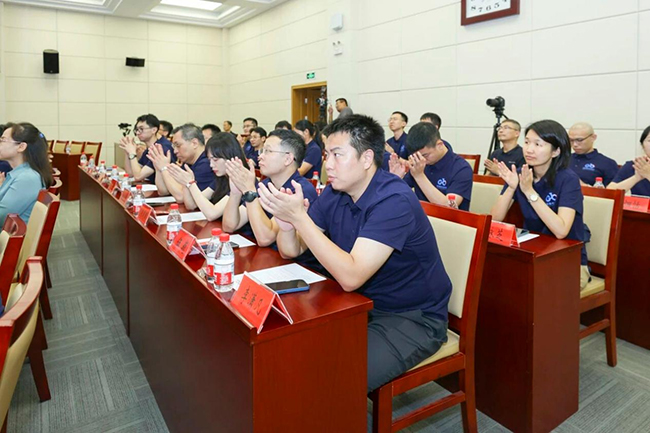
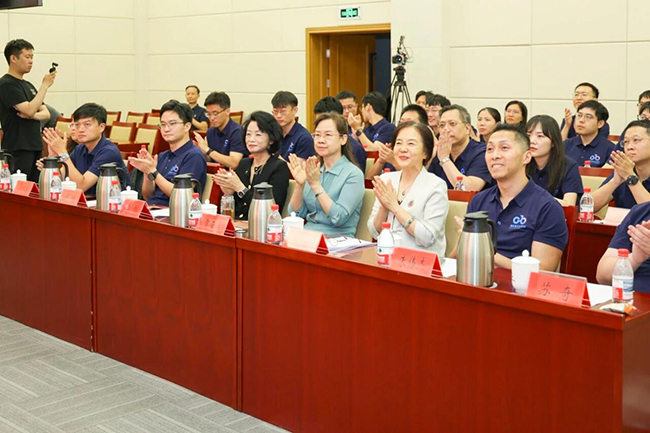
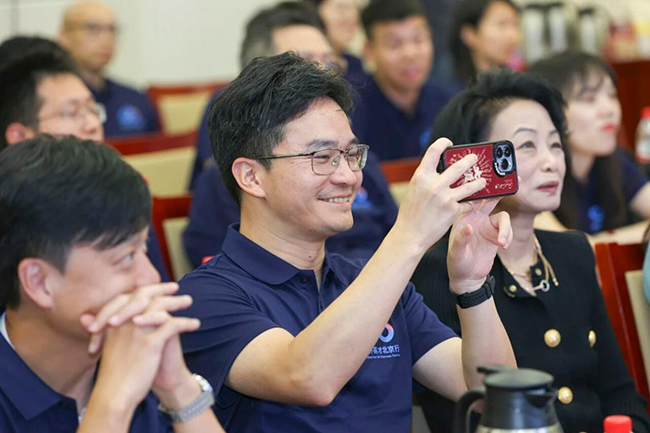
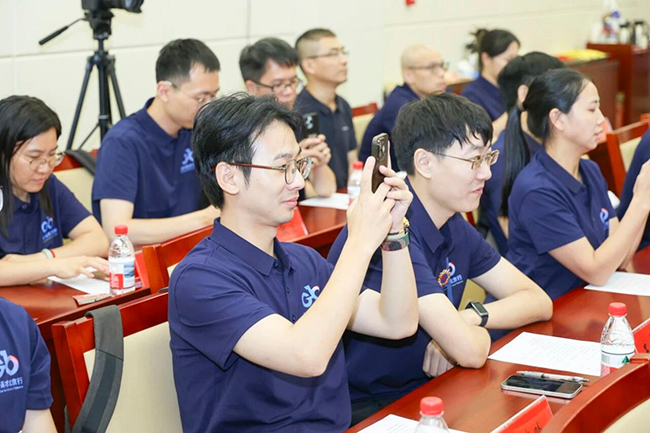
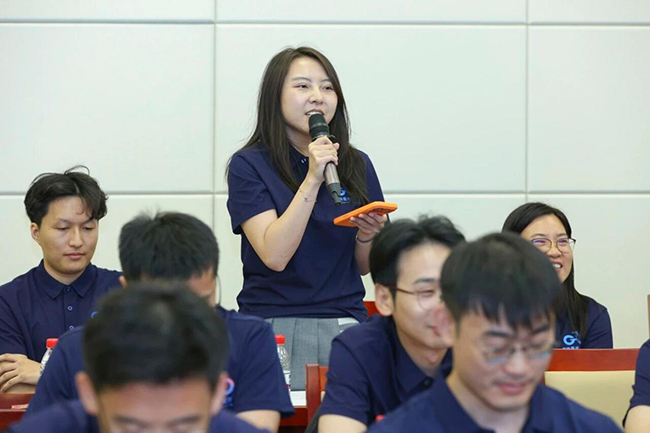
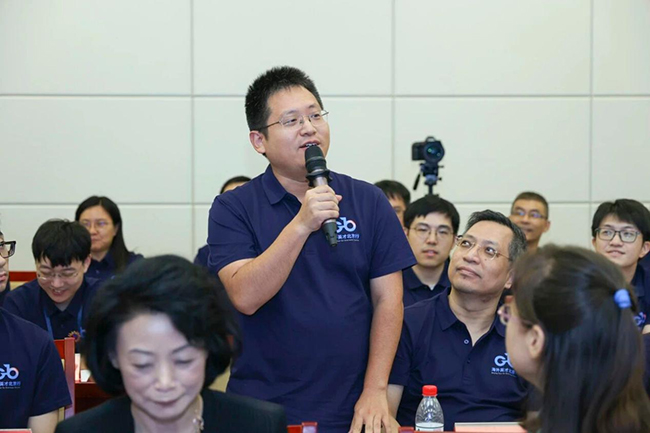
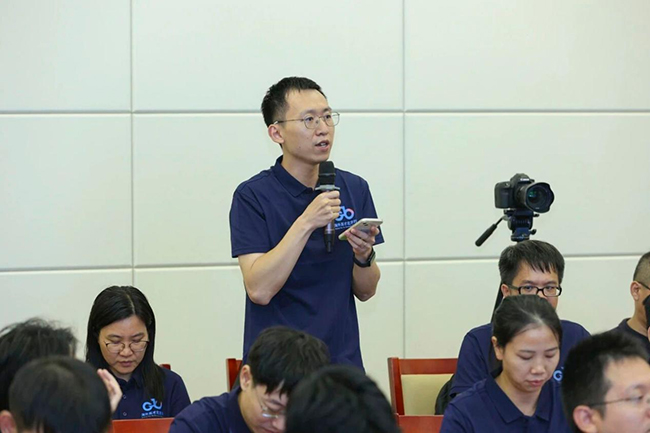
As the presentation session drew to a close, young scholars from Hong Kong shared their reflections. Han Kai, Assistant Professor from the School of Computing and Data Science at the University of Hong Kong, said, “We learned a great deal from today’s exchange. It gave us a deeper understanding of Beijing’s cutting-edge technologies and a renewed understanding of what ‘China’ means. Yesterday’s site visit and today’s presentations formed a complete and meaningful loop.” Zhu Weijie, Associate Professor in the Department of Ophthalmology and Visual Sciences and Director of the Ophthalmology and Visual Sciences Laboratory at The Chinese University of Hong Kong, remarked, “I did not expect Director Lin Qi, one of today’s speakers, to be here in person. We have had many academic exchanges online in the field of ophthalmology, and today we finally have the opportunity to have a face-to-face meeting. I hope there will be more opportunities for collaboration in the future. Whenever the opportunity arises, I will certainly come again.” Ma Yuan, Research Assistant Professor at the Faculty of Medicine of the Chinese University of Hong Kong, summed up his impressions in three words. “The first word is ‘memories.’ Beijing is my second home. I spent my student years and the early stages of my career here, and returning makes me feel as though I am reliving my youth. The second is ‘awe.’ It is remarkable to see how rapidly Beijing continues to change, particularly the tremendous development even in some of its outer districts. The third word is ‘moved.’ Compassion lies at the heart of medicine, and it is through humanistic care that medical science and technology can find the right direction.” Li Jingzong, Assistant Professor at Hang Seng University of Hong Kong, expressed his gratitude to the organizers for creating an exchange platform that enabled participants to understand Beijing and the capital’s development from a social sciences perspective. He said, “My research focuses on large models. Today’s exchange made me realize even more that while computing power determines the technological limits of large models, philosophy and the social sciences define the boundaries within which they should advance. It is humanistic reflection that helps us mitigate algorithmic bias and reduce model hallucinations, ensuring that artificial intelligence continues to serve the greater good. May young people from both Beijing and Hong Kong remain united, move forward together, and make the most of the opportunities created by this encounter.” Shi Qiaoxin, a postdoctoral fellow and lecturer in sports medicine at the University of Hong Kong, noted that the “Hong Kong Talents Visit Beijing” represents not only closer interaction between Beijing and Hong Kong but also an integration of science and the humanities. The significance of such cooperation, Shi Qiaoxin observed, lies not only in placing the research of both sides within a broader frame of reference, but also, more importantly, in connecting the people of the two cities.
The Hong Kong Alumni Association of Beijing Universities was established in July 2022 as a nonprofit organization bringing together more than 100,000 Hong Kong-based alumni from 92 universities in Beijing. It serves as an important bridge for youth exchanges, science and technology innovation cooperation, and talent exchange between Beijing and Hong Kong. Since 2023, the Alliance has partnered with the Beijing Overseas Talents Center to organize the “Hong Kong Talents Beijing Tour” series on a regular basis for three consecutive years. Having successfully held four sessions, the initiative has accumulated extensive experience in two-way exchanges between Beijing and Hong Kong and has developed itself as a well-established platform for youth exchange and engagement.
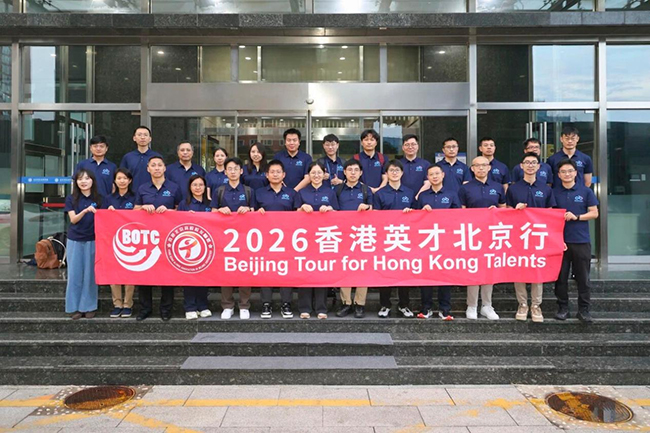
The visiting delegation of young Hong Kong elite talents is characterized by a high-level talent structure, robust scientific research strength, and highly focused research domains. Its members are deeply engaged in cutting-edge fields of scientific and technological innovation, including artificial intelligence, biotechnology, advanced materials, microelectronics, and energy engineering. Collectively, they hold more than 100 domestic and international patents and have received numerous major awards at both international and national levels. They represent a core force in Hong Kong’s young scientific and technological innovation community and constitute a strong talent pool for Beijing-Hong Kong collaboration in scientific and technological innovation and the commercialization of research outcomes.
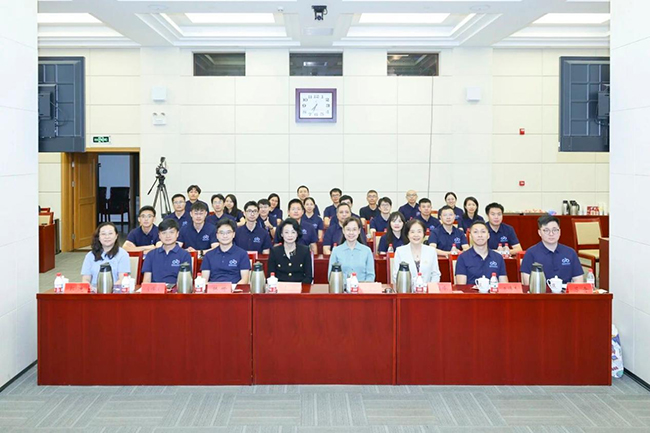
This special exchange event under the “Million Youths Explore the Motherland: Hong Kong Talents Visit Beijing” provided a vivid example of reciprocal engagement, mutual learning, and shared progress between Beijing and Hong Kong. Through face-to-face presentations and in-depth dialogue, Hong Kong’s young talents gained a comprehensive, multidimensional, and tangible understanding of Beijing’s achievements in urban development, industrial upgrading, scientific and technological innovation, cultural heritage preservation, and improvements in people’s livelihoods. The participants gained a deeper appreciation of Beijing’s practices and achievements in Chinese path to modernization, further strengthening their sense of national identity, cultural identity, and emotional bond with the country. This event has provided a solid and effective platform for regular exchanges and deeper cooperation between Beijing and Hong Kong.
Going forward, our Academy will remain committed to its goal of becoming a “nationally first-class and internationally renowned” social science academy, while leveraging its strengths as a high-end think tank and public outreach platform in the capital. It will continue to deepen regular, institutionalized, and brand-based cooperation among Beijing, Hong Kong, and Macao and develop a mature model encompassing joint lectures and collaboration, two-way outreach, and academic exchange. The Academy will continue to innovate exchange formats, broaden areas of cooperation, and enrich the content of its activities. It will tell compelling stories of Beijing, of the shared bonds linking Beijing with Hong Kong and Macao, and of China’s development in the new era. By bringing together the youthful energy of young people from Beijing, Hong Kong, and Macao to pursue shared aspirations and move forward together, the Academy will help build the broadest possible consensus for deeper integration and mutually beneficial cooperation among the three regions.